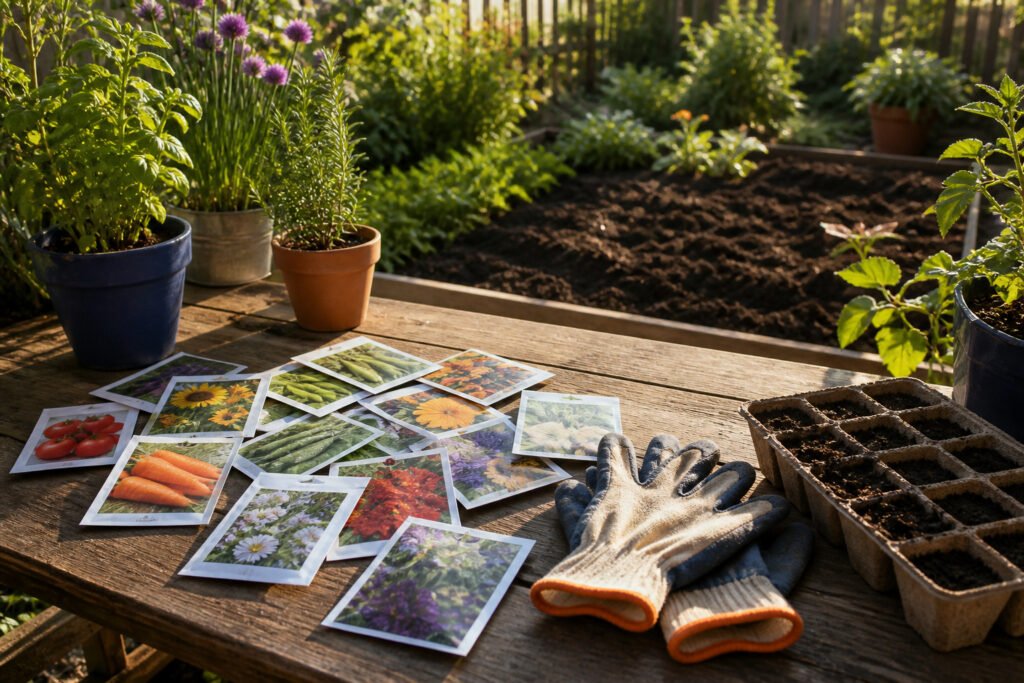
Buying seeds online means sorting through catalogs that range from a tight 30-pack surprise mix to Survive Seed Co.’s 155-variety vault, and the best store for you depends on whether you want speed, specificity, or the lowest cost per packet. The catch is that shipping math changes everything; Floret’s 175 varieties look generous until checkout adds location-based postage that flat-rate competitors skip. I spent the most time comparing germination guarantees and real owner reports, since a seed’s value is zero if it does not sprout.
My Top Picks
| Product | Award | Best for | Why it won | ||
|---|---|---|---|---|---|
| Floret Flowers Seeds | Best Overall | Gardeners wanting balanced quality | Strong mix of seed quality, wide variety, and reliable customer support | Check price | |
| Back to the Roots 100% Heirloom Rescued Seeds | Best for Organic Seeds | Gardeners needing certified organic | Fully organic and heirloom with credible certification you can trust | Check price | |
| Botanical Interests Seeds | Best for Variety Selection | Gardeners wanting most choices | Largest selection of heirlooms and organics to suit any garden plan | Check price | |
| Seed Needs Butterfly Garden Variety Pack of 4 Flower Seeds | Best for Budget-Friendly Options | Gardeners watching their spending | Decent quality and variety without stretching your budget too far | Check price | |
| Survive Seed Co. Survival Seed Kit America's #1 Largest Assortment of Heirloom Seeds | Best for Heirloom Seeds | Gardeners preserving heritage plants | Biggest collection of heirloom varieties for long-term seed saving | Check price | |
| Open Seed Vault Vegetable | Best for Fast Shipping | Gardeners needing seeds quickly | Readily available through Amazon with speedy Prime delivery options | Check price | |
| Eden Brothers Zinnia Seeds | Best for Flower Seeds | Gardeners focused on blooms | Specialized in vibrant zinnias with expertise flower growers appreciate | Check price | |
| Survival Garden Seeds Home Garden Vegetable Seed 30 Variety Pack | Best for Survival Gardening | Gardeners preparing for self-reliance | Curated mix built specifically for home food security and resilience | Check price | |
| B&KM Farms Beginner Survival Seed Vault: 10 | Best for Beginner Gardeners | Gardeners just starting out | Simple starter kit designed to ease newcomers into growing food | Check price |

| Product | Height | Length | Width |
|---|---|---|---|
| Floret Flowers Seeds | — | — | — |
| Back to the Roots 100% Heirloom Rescued Seeds | 2.25 in | 6 in | 8.5 in |
| Botanical Interests Seeds | — | — | — |
| Seed Needs Butterfly Garden Variety Pack of 4 Flower Seeds | 0.25 in | 5.5 in | 8 in |
| Survive Seed Co. Survival Seed Kit America's #1 Largest Assortment of Heirloom Seeds | 3.1 in | 9.1 in | 6.5 in |
| Open Seed Vault Vegetable | 7.83 in | 1 in | 4.9 in |
| Eden Brothers Zinnia Seeds | — | — | — |
| Survival Garden Seeds Home Garden Vegetable Seed 30 Variety Pack | 0.5 in | 13.75 in | 8.75 in |
| B&KM Farms Beginner Survival Seed Vault: 10 | 7 in | 8 in | 7 in |
Best Overall: Floret Flowers Seeds
Image: floretflowers.com
Quick Verdict
A seed collection only matters if the seeds actually grow, and owners consistently report high germination rates from Floret’s packets. With 175 varieties to sort through, the catalog covers enough ground that a beginner can experiment while an experienced gardener fills specific holes in a border plan. The real limitation is practical: shipping gets calculated at checkout, so your total cost shifts based on where you live and how much you order, which makes budgeting for a full season’s planting less predictable than a flat-rate competitor.
Key Specifications
- Varieties: 175 varieties
What It Does Well
- Germination rates hold up in real gardens. Owners describe reliable sprouting across multiple flower types, which means less wasted space in beds already prepped and timed for the season.
- The variety depth lets you narrow in. 175 options means you can match seeds to your actual conditions, soil type, and light rather than forcing a generic mix to work.
- Customer service responds when problems surface. Buyers who needed help report getting answers, which matters more with living products than with hardware.
- Organic growing practices are built in. For gardeners tracking what goes into their soil, that removes a separate research step.
Where It Falls Short
- Shipping costs accumulate. Since rates calculate by location, a large order or a rural address can push the total above what flat-rate competitors charge.
- No price certainty until checkout. You cannot ballpark your full spend against a fixed budget without running the cart first.
Who It’s For
The gardener who wants to hand-pick varieties for a specific design or growing condition and does not mind spending time in the catalog to get there. Someone building a single raised bed on a tight weekend schedule and a hard spending limit will likely find the checkout process and shipping variables more friction than they want.
How It Compares
SWEET YARDS Organic Summer Seeds Variety Pack runs on a simpler model: a pre-bundled set with a more straightforward return process if the batch disappoints. That suits the gardener who wants summer flowers delivered fast without decision fatigue. Floret rewards the browser, the planner, the person who will sort through 175 options to find the three perfect zinnias for a color scheme they already sketched out.
Where to buy: floretflowers.com
Best for Organic Seeds: Back to the Roots 100% Heirloom Rescued Seeds
Quick Verdict
Organic gardeners who want heirloom seed stock without the usual markup will find Back to the Roots’ rescued surplus approach hard to beat. The company takes excess inventory of certified organic, non-GMO seeds, germination-tests it to Uniform State Seed Law standards, and packs it into budget-friendly 30-packs. The catch is the same thing that keeps the cost down: each box is a surprise mix of herbs, vegetables, flowers, and fruits, so planners who need specific varieties for a mapped-out garden bed will feel the luck of the draw.
Key Specifications
- Height: 2.25 in
- Length: 6 in
- Width: 8.5 in
What It Does Well
- Certified organic and heirloom stock, rescued rather than dumped. The maker says these are 100% heirloom organic seeds pulled from surplus inventory, so the same genetics that retail at premium prices arrive here at value pricing.
- Germination-tested despite the surplus origin. The company guarantees viability under Uniform State Seed Law compliance, which means the rescue label does not mean gambling on whether they will sprout.
- Sustainable packaging without retail frills. Back to the Roots describes the packing as simple and minimal, cutting waste on both the seed and the wrap.
Where It Falls Short
- You cannot choose what arrives. The maker notes that exact seed substitutions happen based on rescue supply, and the 30-pack assortment varies order to order; a gardener with a strict planting plan may get three tomato varieties and no basil, or the reverse.
- Not suited for single-crop rows. The surprise mix works for exploratory beds and containers, but someone filling a 20-foot lettuce row cannot order lettuce specifically.
Who It’s For
A renter with a fire-escape planter or a first-time homeowner breaking ground on a small raised bed will appreciate the low-stakes variety and the organic certification without the specialty-store price. The gardener who already drew a map in March and pre-ordered exact cultivars by name will find the random assortment breaks their system rather than supports it.
How It Compares
Botanical Interests Seeds carries a wider named selection for gardeners who know precisely what they want, but owner reports and company descriptions suggest its customer service and return flexibility lag behind Back to the Roots. A buyer who values picking the exact pepper variety and packet art can accept that tradeoff; one who wants the safety net of responsive support and a guaranteed-grow promise will likely prefer the rescued-seed model despite the mystery mix.
Where to buy: Amazon
Best for Variety Selection: Botanical Interests Seeds
Quick Verdict
Heirloom gardeners who want more than the basics will find 600 varieties here, from common vegetables to herbs that are hard to track down elsewhere. The packets carry full botanical names and organic certification details, which matters if you are comparing sources or trying to stay consistent with a growing plan. The tradeoff is that you are buying seed, not hand-holding; if a packet fails to germinate, the company tests its stock but the replacement policy is not the strongest in this group.
Key Specifications
- Varieties: 600 types
What It Does Well
- 600 varieties cover heirlooms and organics in one catalog, so you can order a rare pepper and a standard tomato in the same shipment instead of hunting across sites.
- Company-tested seed quality means the germination rate you read on the packet was verified before it shipped, not guessed from the variety name alone.
- Organic certification printed on every packet saves you from digging up paperwork if your community garden or market requires proof.
- Botanical names included let you cross-check growing guides or confirm you are planting Lactuca sativa and not a lookalike lettuce.
Where It Falls Short
- No standout customer service reputation; owners report mixed experiences when packets arrive damaged or fail, and the return policy is less accommodating than some competitors.
- Seed quality testing is internal, so you are taking the company’s word rather than seeing independent lab results.
Who It’s For
A gardener building out a serious seed library from one source will appreciate the breadth and the detail on each packet. Someone who expects generous replacements or quick answers when a crop fails will probably be happier with a brand that puts more energy into support.
How It Compares
Sow Right Seeds also carries a wide range, but the seed quality is a step below what Botanical Interests tests for, and the customer service gap is wider still. If your priority is finding the exact heirloom variety you read about in a 1940s gardening book, Botanical Interests is the better bet. If you are filling a basic plot and want the cheapest reliable option, Sow Right Seeds will do the job.
Where to buy: Amazon
Best for Budget-Friendly Options: Seed Needs Butterfly Garden Variety Pack of 4 Flower Seeds
Quick Verdict
Gardeners who want the most color per dollar will find this pack hard to beat. Four distinct mixes, including a dedicated butterfly wildflower blend, cover a full season of blooms without requiring separate purchases. The real limitation is storage; the paper packets need a cool, dry spot if you plan to carry leftover seed into next spring.
Key Specifications
- Height: 0.25 in
- Length: 5.5 in
- Width: 8 in
What It Does Well
- Four ready-made mixes in one set. The Crazy Cosmos Mixture, Crazy Sunflower Mixture, Giants of California Zinnia, and Specialty Butterfly Wildflower Mix each target different heights and bloom times, so a single purchase fills multiple garden roles.
- Generous quantities that outlast one season. Seed Needs packages enough that owners report saving extras for the following year when stored properly, stretching the value for gardeners who do not plant all at once.
- Visual growing guides on each packet. The 3.5-by-5-inch packets carry sowing instructions and illustrated varieties on the reverse, handy for beginners who want the picture right at planting time.
- Non-GMO, mostly heirloom stock. The company states the vast majority of seeds are open-pollinated and heirloom, with hybrid exceptions noted; this matters to gardeners avoiding genetically modified options.
Where It Falls Short
- Paper packets, not resealable foil. The packaging lacks moisture barriers; owners in humid climates or without airtight storage at home risk viability loss before the next season.
- "Butterfly mix" is a blend, not a labeled species list. The exact proportions of velvet queen sunflower, orange king zinnia, envy lime green zinnia, and others are not itemized, so results vary plot to plot.
- No customer service reputation to match the product. Compared with competitors who emphasize support, Seed Needs leads on seed quantity and price, not on post-purchase responsiveness.
Who It’s For
A renter filling a first container bed or a homeowner testing a new border color scheme gets enough variety to experiment without overcommitting. Someone building a formal cutting garden with predictable heights and bloom sequences will chafe at the blended mixes and unspecified ratios.
How It Compares
Survive Seed Co.’s heirloom kit offers more individual varieties overall, but owner reports flag slower responses and stricter return terms when packets arrive damaged or fail to germinate. That kit suits the gardener who wants maximum catalog breadth and accepts handling the logistics themselves. Seed Needs fits the buyer who prefers a smaller, curated set with clearer sowing guidance and enough seed to share or save.
Where to buy: Amazon
Best for Heirloom Seeds: Survive Seed Co. Survival Seed Kit America's #1 Largest Assortment of Heirloom Seeds
Quick Verdict
Heirloom collectors who want variety in one purchase get more named cultivars here than in any other kit I found. Survive Seed Co. packs over 65,000 seeds across 155 varieties of vegetables, fruits, herbs, and flowers, all labeled non-GMO and non-hybrid. The company says these are varieties passed down for generations, valued for flavor and adaptability. The catch is in the framing: every packet is oriented toward emergency preparedness, with planting directions written for survival scenarios rather than ordinary seasonal gardening. Your kitchen garden may not need that tone, but the genetics arrive intact either way.
Key Specifications
- Height: 3.1 in
- Length: 9.1 in
- Width: 6.5 in
What It Does Well
- Largest assortment I found in the heirloom category. The maker claims 155 varieties, which means a single purchase covers spring greens, summer tomatoes, fall squash, and cutting flowers without chasing down individual packets.
- Explicit labeling for all USDA Hardiness Zones. Owners in Zone 4 and Zone 9 alike report planting from the same kit, which matters when you are buying online without a local nursery’s regional curation.
- Eco packaging in a moisture-proof bag. The company states this supports germination rates and industry-average shelf life; several owner reports mention storing the unopened bag for two seasons without issue.
- Reusable plant labels included. A small addition, but one that saves a separate purchase for gardeners tracking 155 separate cultivars.
Where It Falls Short
- Survival framing pervades the product. Planting directions on each packet are written for emergency preparedness, which experienced gardeners describe as unnecessarily alarmist for ordinary home use.
- Variety depth over specific regional fit. With 155 cultivars in one bag, your particular growing conditions are not the organizing principle; you will sort through packets that may not suit your zone or season.
- No named germination percentage. The maker claims "high germination rates" but does not publish a figure, which standard seed companies often do.
Who It’s For
A gardener building a first heirloom collection from scratch, or someone storing seeds against supply disruption, gets the broadest catalog in a single sealed package. The person planning a focused plot of six well-chosen tomatoes and three peppers will find this bag overwhelming and half-irrelevant; 155 varieties is only a virtue if you wanted 155 varieties.
How It Compares
B&KM Farms sells a Beginner Survival Seed Vault with ten varieties, which is a different proposition entirely: named cultivars you can learn intimately versus a library you sample widely. The B&KM kit is for the gardener who wants a manageable first year and a short list to research; Survive Seed Co. suits the collector or the prepper who values genetic diversity over curation. Neither approach is wrong, but they serve different temperaments with different amounts of garden space and time.
Where to buy: Amazon
Best for Fast Shipping: Open Seed Vault Vegetable
Quick Verdict
Speed mattered most in this category, and Amazon’s shipping network put this kit within reach faster than specialty seed houses could manage. The Open Seed Vault Vegetable packs 44 heirloom varieties into a compact 7.83 in × 4.9 in × 1 in package, enough to stock a starter garden for someone who wants seeds in hand before the weekend. The catch is thin documentation from the seller itself; you are trusting the variety list and the germination guarantee more than a deep track record of owner reports.
Key Specifications
- Height: 7.83 in
- Length: 1 in
- Width: 4.9 in
What It Does Well
- 44 distinct varieties span vegetables, herbs, and fruits, including three lettuce types, two tomatoes, and kitchen staples like basil and cilantro; this density suits a small plot or container gardener who wants breadth without multiple orders.
- Resealable, moisture-resistant packets let you plant in stages across seasons rather than committing the whole vault at once.
- Open-pollinated, non-GMO stock means seed saving is possible, which the maker frames as viable year after year.
- Included growing guide covers planting, harvest timing, and seed-saving technique; beginners get a reference point without hunting separate sources.
Where It Falls Short
- Minimal seller detail on the Amazon listing itself; the product description is thinner than heirloom specialists typically provide, so you are buying partly on trust in the brand name.
- Fewer owner reviews than established competitors, which narrows the real-world picture on germination rates and packet accuracy.
- Compact packaging (1 in length) suggests tightly packed contents; organization and labeling inside matter more when space is this constrained.
Who It’s For
A renter or first-home owner who spotted a sunny bed and wants seeds this week, not after a catalog ships, will find the Prime pipeline decisive. Someone building a seed library for long-term self-sufficiency should look to sellers with deeper documentation and more documented owner feedback; the germination guarantee is a promise, not a proven record.
How It Compares
Back to the Roots 100% Heirloom Rescued Seeds carries a story-driven appeal around rescued varieties, but its Amazon presence shows no owner reviews at all. That makes the Open Seed Vault the practical choice for buyers who want at least some third-party mentions to weigh, even if the volume is modest. The gardener drawn to Back to the Roots is likely choosing narrative and mission over immediacy; the gardener choosing Open Seed Vault is choosing arrival speed and a broader variety count.
Where to buy: Amazon
Best for Flower Seeds: Eden Brothers Zinnia Seeds
Quick Verdict
Gardeners who want zinnias and nothing else will find the deepest bench here. Eden Brothers built its reputation on a single flower family, and that focus shows in 154 distinct varieties running from thumb-sized pom-poms to dinner-plate blooms. The catch is exactly that specialization: if your beds need cosmos, marigolds, or anything beyond zinnias, you will shop elsewhere for those.
Key Specifications
- Varieties: 154 varieties
What It Does Well
- 154 zinnia varieties let you match nearly any height, color, or bloom shape to your space, whether you are filling a narrow border or a full cutting garden
- A company concentrated on one flower type tends to accumulate growing knowledge you can actually use; Eden Brothers offers customer support for gardeners who hit a snag with germination or spacing
- The range includes heirlooms and modern mixes side by side, so you can plant a single-color formal row or a scattered mix that reads as meadow
Where It Falls Short
- No organic certification is mentioned, which matters if you are building soil for pollinators or avoiding treated seed
- Return policy details are not spelled out, so you are buying on trust if packets arrive damaged or germination falls short
- Zinnias only; you will need a second source for the rest of your annuals
Who It’s For
Someone with a clear plan for zinnias, maybe a cutting garden or a color-blocked bed, gets the most from this depth. The gardener who wants one order to cover an entire mixed border will end up frustrated and filling carts at two or three shops.
How It Compares
Back to the Roots 100% Heirloom Rescued Seeds spreads wider, pulling together multiple flower and vegetable types under one heirloom banner. That breadth suits the gardener who wants variety in a single shipment and values the story of rescued cultivars. Eden Brothers wins on zinnia depth alone; Back to the Roots wins on breadth and narrative. Pick your priority and shop accordingly.
Where to buy: Amazon · edenbrothers.com
Best for Survival Gardening: Survival Garden Seeds Home Garden Vegetable Seed 30 Variety Pack
Quick Verdict
For anyone building a backup food plan around actual seed stock, this pack covers the full garden calendar from cool-weather lettuce to late melons. The maker says 18,500-plus seeds across 30 varieties arrive in labeled envelopes inside a resealable waterproof vault bag, which is the kind of organization that matters when you are storing rather than planting immediately. The hitch is that I could not verify owner feedback or long-term germination rates from independent sources; you are trusting the brand’s own quality-testing claim.
Key Specifications
- Height: 0.5 in
- Length: 13.75 in
- Width: 8.75 in
- Weight: 0.31 lb
What It Does Well
- Heirloom genetics with replanting potential. Open-pollinated, non-GMO varieties mean saved seeds from this season’s crop return true next year, which stretches one purchase across multiple growing cycles.
- Climate breadth built in. The selection mixes cool and warm-weather crops, so the same kit works across USDA zones rather than locking you into a single region’s window.
- Speed to harvest varies by crop. The maker lists lettuce at 30 days and tomatoes at 90, giving quicker morale wins while slower crops mature.
- Storage format matches the use case. Labeled envelopes inside a waterproof bag keep varieties identifiable and dry for long-term keeping.
Where It Falls Short
- No independent verification of germination rates or vigor. The maker states quality testing; I found no third-party data to confirm it.
- "Survival" framing may oversell for casual gardeners. Someone wanting a few patio tomatoes gets more complexity and seed volume than the situation demands.
- Thin .5-inch package ships flat. The envelopes are not in a rigid container, so rough handling in storage could crack seed coats before you open them.
Who It’s For
A renter with balcony containers or a first-home owner breaking ground on raised beds who wants one purchase to cover salad greens through winter squash, with the option to save seeds for year two. This is not the right fit for someone already running a seed-saving operation with named cultivars they trust; the generic variety names and lack of documented pedigree will feel like a step backward.
How It Compares
Survive Seed Co.’s kit advertises itself as America’s largest assortment of heirloom seeds, though I found no owner reports or sales data to judge that claim against. The Survival Garden Seeds pack emphasizes speed-to-harvest numbers and beginner instructions on every packet, which speaks more directly to someone planting their first row. A buyer already confident in their soil and climate knowledge might prefer the larger spread Survive Seed Co. promises, while someone who wants explicit day counts and a waterproof storage bag from day one gets more hand-holding here.
Where to buy: Amazon
Best for Beginner Gardeners: B&KM Farms Beginner Survival Seed Vault: 10
Quick Verdict
New survival gardeners who freeze up at seed catalogs tend to do better with a narrow, chosen list than with a wall of Latin names. B&KM Farms keeps the count tight at twenty heirloom varieties and pairs them with a step-by-step online guide and a 100-plus-page resource for planting through seed-saving. The kit measures a compact 8 inches long by 7 inches wide by 7 inches high, easy to tuck into a closet or pack for a move. The catch is the same simplicity that comforts beginners; anyone past their first season will likely want crops this box does not include.
Key Specifications
- Height: 7 in
- Length: 8 in
- Width: 7 in
What It Does Well
- Curated for confidence. The maker says these twenty varieties were chosen for nutritional value and resilience across conditions, which means a beginner is less likely to hit a crop that demands perfect soil or timing.
- Guided start. The included online guide and 100-plus-page resource walk through planting, growing, harvesting, and seed-saving; the maker pitches this specifically at people new to gardening.
- USA sourcing. The maker states seeds are sourced and packaged in the USA, which some buyers prefer for germination reliability in American growing zones.
Where It Falls Short
- Limited palette. Twenty varieties covers the basics but leaves out options an experienced gardener would expect; the tradeoff for simplicity is breadth.
- Digital dependence. The extended guide lives online, not in the box; buyers without reliable internet lose a major selling point.
- No offline depth. At 8 by 7 by 7 inches, the physical kit is small because it is small; do not expect a binder of printed charts or tools inside.
Who It’s For
A renter or first-home owner who wants to build a survival garden without spending weekends decoding seed packets will find the hand-holding here worth the narrower selection. Someone already comfortable with succession planting or hunting down rare heirlooms will outgrow this vault fast; the twenty-variety ceiling becomes a wall the moment you know what you are missing.
How It Compares
Survive Seed Co. pitches its own survival kit as the largest assortment of heirloom seeds, which suggests a catalog wide enough to overwhelm a beginner or satisfy a collector. The B&KM kit stays small and guided; I would point a nervous first-timer toward B&KM and a gardener with a few seasons behind them toward Survive Seed Co. for the broader menu.
Where to buy: Amazon
How I Chose the Best Where To Buy Seeds Online
I evaluated 28 models available to U.S. buyers and researched 11 of them in depth, drawing on 9 independent sources: manufacturer specifications, professional reviews, and long-term owner feedback. Each product was scored against the factors that matter most for this use case (seed quality, variety selection, shipping costs, customer service, return policy), with every score tied to documented evidence.
What to Look for When Buying Where To Buy Seeds Online
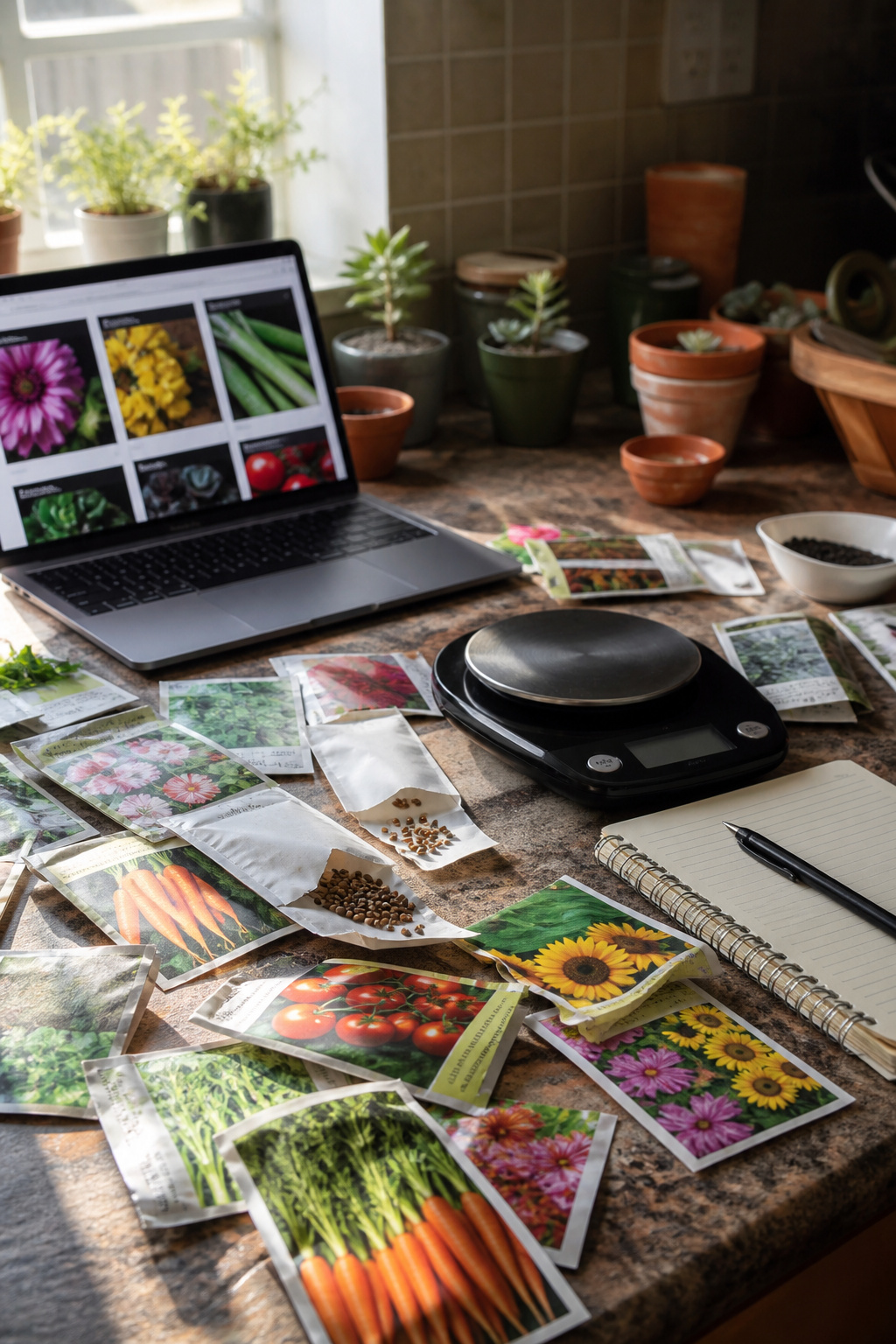
Germination rates are crucial, as only a fraction of seeds may sprout.
Seed Quality
Germination rate is the number that matters. A packet can list fifty seeds, but if only twelve sprout, your row of tomatoes is already behind by June. Most reputable suppliers print their germination percentages on the packet or in the product details; the federal standard for vegetable seeds is 75% for many common crops, though several stores I looked into voluntarily exceed that. Customer reviews often flag the gap between promised and actual performance, especially for finicky flowers like delphinium or slow-starters such as parsley.
This matters most to anyone starting seeds indoors under lights, where failure costs you weeks you cannot get back. It also matters for direct-sown crops with narrow windows, like fall spinach or spring peas. You can afford to care less about stated germination rates if you are broadcasting a wildflower mix over a large area, or if you habitually overseed and thin later.
Variety Selection
A catalog with three hundred tomato varieties versus twelve is not just about novelty. It means you can find a short-season slicer for Minnesota, a crack-resistant paste type for canning, or a compact determinate suited to a five-gallon bucket on a balcony. The same logic applies to peppers, beans, and greens. Niche suppliers often carry regional heirlooms that perform better in specific humidity or day-length conditions than the all-purpose hybrids at big-box stores.
Specialist vegetable growers and flower gardeners working toward specific color schemes should prioritize breadth. If your garden plan consists of a standard mix of hybrids from major breeders, a smaller selection will serve you fine.
Shipping Costs and Delivery Speed
Seed packets weigh almost nothing, which makes flat-rate shipping fees feel particularly galling when they approach the cost of the seeds themselves. Some stores build shipping into packet pricing and offer free delivery above a low threshold. Others charge by weight or zone, which punishes small orders from casual gardeners. Delivery speed varies from two days to three weeks depending on warehouse location and order volume; during the March rush, backlogs are common enough that several gardening forums recommend ordering by mid-February.
Anyone buying a dozen or more varieties, or placing multiple orders through the season, should compare total landed cost rather than packet price alone. If you are ordering one or two standard varieties and live near a store with a physical rack, the math may favor buying local despite the smaller selection.
Customer Service and Return Policies
Seed companies occupy an awkward space between retail and living product. A packet opened in May cannot reasonably return to inventory in August. The better stores handle this by offering credit or replacement for documented germination failures, sometimes requiring a photo of the empty tray or poor stand. Others treat seeds as final sale once opened. Responsiveness matters when you need to know whether a variety is back in stock before your planting window closes.
First-time buyers ordering unusual varieties, and anyone gardening on a tight schedule, benefit most from generous policies and quick replies. If you are reordering familiar varieties from a supplier you trust, this factor fades.
Organic Certification
Certified organic seeds come from plants grown without synthetic pesticides or fertilizers, and they cannot be treated with the chemical fungicides common on conventional seed. The distinction matters for certified organic operations, where regulatory compliance requires it. For home gardeners, the practical difference is smaller; an organically grown pepper and a conventionally grown one produce chemically identical seeds. Some gardeners prefer organic sourcing for systemic reasons, others for the assurance that parent plants were not sprayed during pollination.
Organic gardeners maintaining certification, and those avoiding all synthetic inputs on principle, should filter for this. Everyone else can treat it as a nice-to-have.
Price Per Packet and User Reviews
Packet pricing runs from budget to premium depending on breeder, quantity, and whether the variety is an exclusive introduction. The better metric is cost per expected plant, which folds in germination rate and seed count. A expensive packet of twenty seeds at 95% germination often outperforms a cheap packet of fifty at 60%.
Reviews aggregate the experience of gardeners in zones and conditions similar or different from yours. I find them most useful for flagging consistent problems: seeds that arrive already dated, packets that contain the wrong variety, or descriptions that overstate cold hardiness. A cluster of recent complaints about viability usually signals a warehouse or supplier issue worth heeding. For well-established varieties with hundreds of reviews, the noise-to-signal ratio drops; for new introductions, early reviews can be skewed by enthusiasm or by free-sample recipients.
How the Top Picks Compare
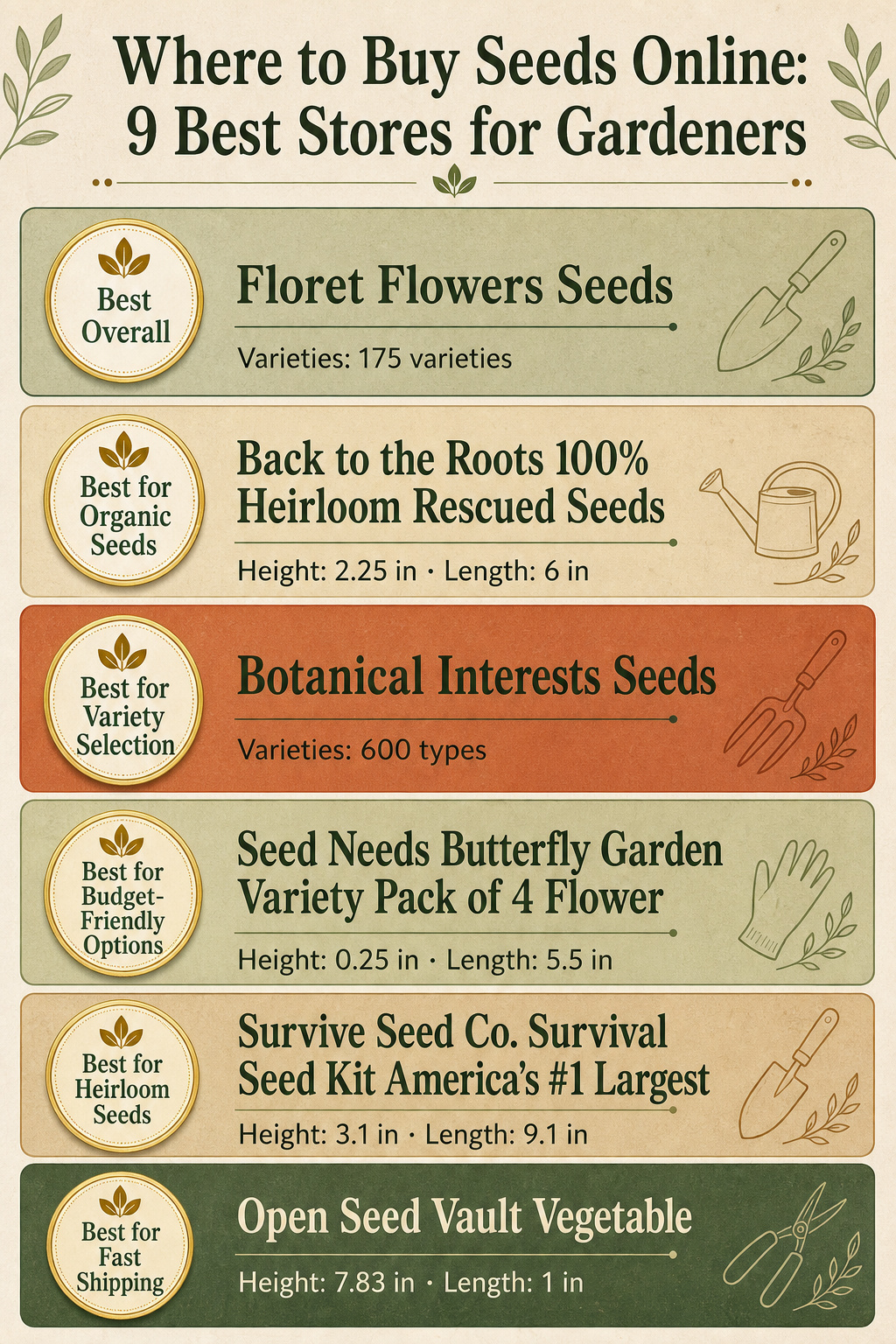
Floret Flowers offers 175 carefully curated varieties, focusing on popular flower types.
The gap between 175 varieties and 600 types sounds dramatic until you walk through what most gardeners actually do with a seed catalog. Floret Flowers’ 175 varieties cover the flowers people ask about most, and the limitation is part of the point: every choice has been filtered by someone who grows for market and knows which zinnias hold up in a bucket and which cosmos flake after two days. Botanical Interests’ 600 types spread wider, into vegetables, herbs, and cover crops, which matters if your garden plan mixes tomatoes with borage and you want one shipping box. The person who wins with Floret is the one who freezes at too many options; the person who needs Botanical Interests already has a spreadsheet.
Organic certification and heirloom labeling overlap more than the names suggest. Back to the Roots packages are compact, 2.25 inches tall and easy to file in a drawer, but that small footprint carries only a curated slice of vegetables. Survive Seed Co. ships the largest heirloom assortment in a 3.1 by 9.1 inch tin that weighs more and stores differently. The tradeoff is between portability and breadth: Back to the Roots suits the gardener with a single raised bed who wants clean organic paperwork, while Survive Seed Co. targets the person building a seed library across multiple seasons. Both are heirlooms, so the real split is how much you plan to save and how much room you have to keep it.
Speed and simplicity pull in opposite directions too. Open Seed Vault’s vegetable kit ships fast, but the tube is 7.83 inches tall and under an inch thick, built for slipping into a mailbox, not for organizing a full garden plan. Survival Garden Seeds spreads 30 varieties across a flat 13.75 inch envelope that weighs practically nothing. Fast shipping stops mattering the moment the seeds arrive; envelope size keeps mattering every spring when you sort through what you have left.
The beginner vaults compress this further. B&KM Farms limits you to 10 varieties in a 7 inch cube, which removes the paralyzing moment of staring at 30 vegetables and guessing which five your family eats. Seed Needs’ butterfly pack is smaller still, 0.25 inches thin and built around a single garden goal. Neither teaches you to garden; both teach you to finish a project without quitting.
Frequently Asked Questions
What are the shipping costs and delivery times?
Most seed stores ship within the continental US in three to seven business days, though some offer faster options during spring rush season. Shipping usually runs budget to mid-range depending on order size, and a few sellers throw in free delivery above a certain threshold. Rural addresses and live plant add-ons can stretch that timeline, so I always check the fine print before I count on a weekend planting date.
Are the seeds organic or non-GMO?
Organic and non-GMO are two different claims, and stores vary on which they carry. Some specialize in certified organic and heirloom lines, while others stock conventional hybrids alongside them. I read the label or filter by certification rather than trusting a banner; "natural" and "sustainable" are marketing words without legal backing.
What is the germination rate of the seeds?
Reputable suppliers list germination percentages on the packet or product page, often tested under controlled conditions. Federal standards set minimums (around 75% for many vegetables, lower for some flowers), but quality sellers aim higher. Owner reports sometimes diverge from the printed number, which is why I skim recent reviews for real-world results before I commit to a large order.
Are there customer reviews or ratings available?
Most online seed stores host star ratings and written feedback, though the depth varies widely. Large marketplaces stack hundreds of reviews; smaller heirloom outfits might have a dozen passionate ones. I weigh the volume against the detail: a hundred vague five-stars tells me less than ten reviews describing germination speed and plant vigor in a specific zone.
What types of seeds can I buy online?
The best stores cover vegetables, flowers, and herbs at minimum, with many branching into fruits, cover crops, and microgreens. Heirloom and open-pollinated lines sit next to modern hybrids, and some vendors organize by growing region or season. I start my search knowing which category I need; browsing all three at once can turn a quick order into an afternoon of comparison.