Some backyard ideas cost little more than a Saturday and a trip to the hardware store; others grow into themselves over seasons as plants fill in.
A few of these you can pack up and move when the lease ends; others make more sense once the deed is in your name.
1. Create Functional Zones
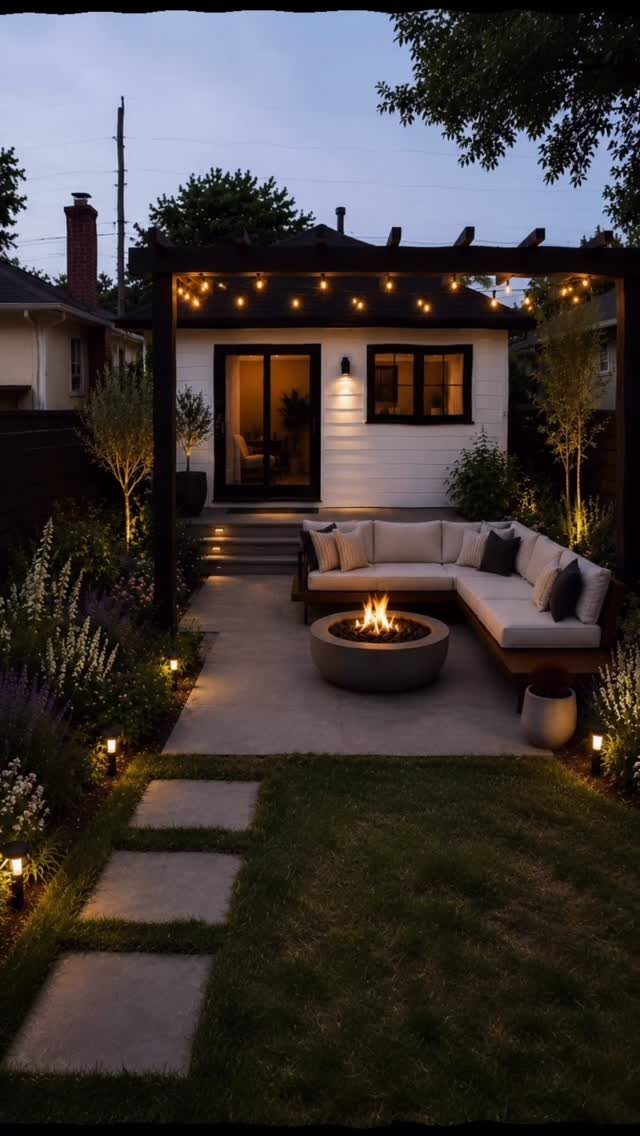
A yard that does one thing well beats a yard that does nothing fully. I started with a seating corner near the back door, a fire pit and a sectional under a pergola with string lights overhead.
That one finished space made the rest feel possible.
Work in sections. One weekend, one zone: a dining spot with a grill, a hammock corner, or raised beds in the sunniest patch near a hose.
Pergolas, planter boxes, or a hedge line can mark the edge if you do not have trees.
This suits anyone who gets overwhelmed by the whole yard. A weekend of focused work buys a space you can actually use while the weather lasts, instead of a half-finished plan left to the weeds.
2. Add a Focal Point
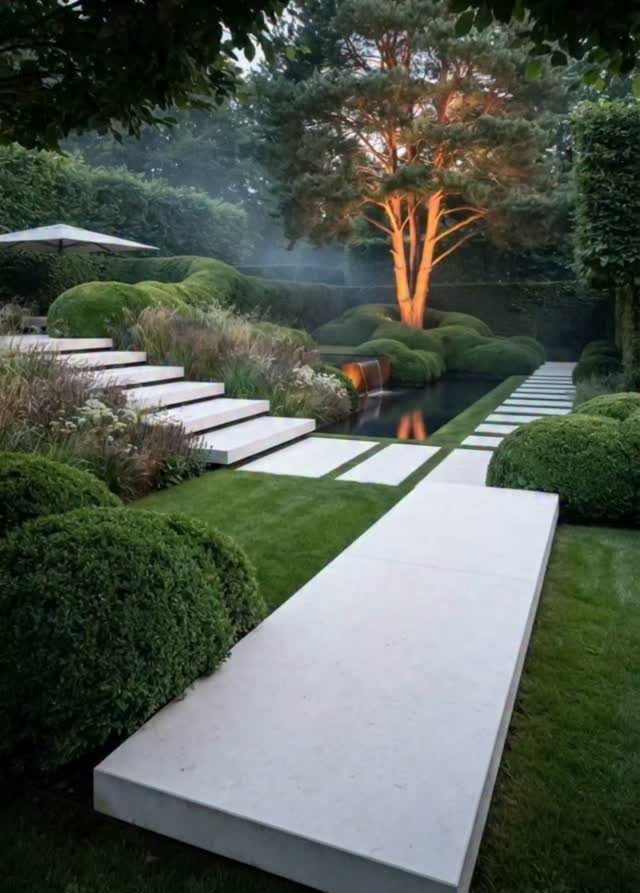
Every yard needs one thing that pulls the eye.
A large urn spilling with trailing plants costs less and moves if you change your mind. A fountain needs level ground and a power source or solar panel.
A sculpture should be oversized enough to read from the house; undersized pieces get lost in beds.
I would pick a pot or tree for renters, something permanent only if you own. The risk is clutter: one strong piece beats three competing ones.
If you want to refresh and beautify your yard but you aren’t sure how to begin, “think broadly,” advises gardening expert Teri Dunn Chace. “Landscaping involves more than plants—it’s also context.”
3. Incorporate Pathways and Borders
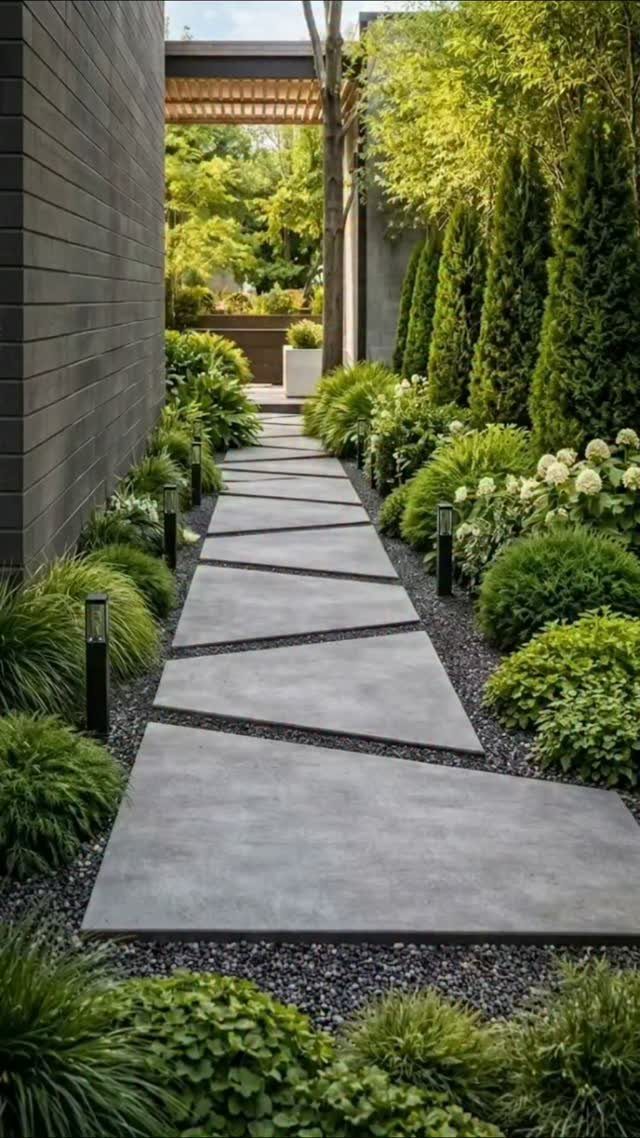
Paths turn a yard into a place you walk through instead of look at. A gentle curve that gives passing room around what is already growing makes the space feel larger than a straight line would.
Flagstones set in gravel drain well and handle frost heave better than poured concrete. Bricks work for tighter budgets; crushed stone alone shifts underfoot.
Check layout videos before you cut anything.
This is weekend work with a shovel and a rented plate compactor. Gravel asks something back: it migrates, and weeds seed in the joints.
Sweep and refill once a year.
4. Embrace Vertical Gardening
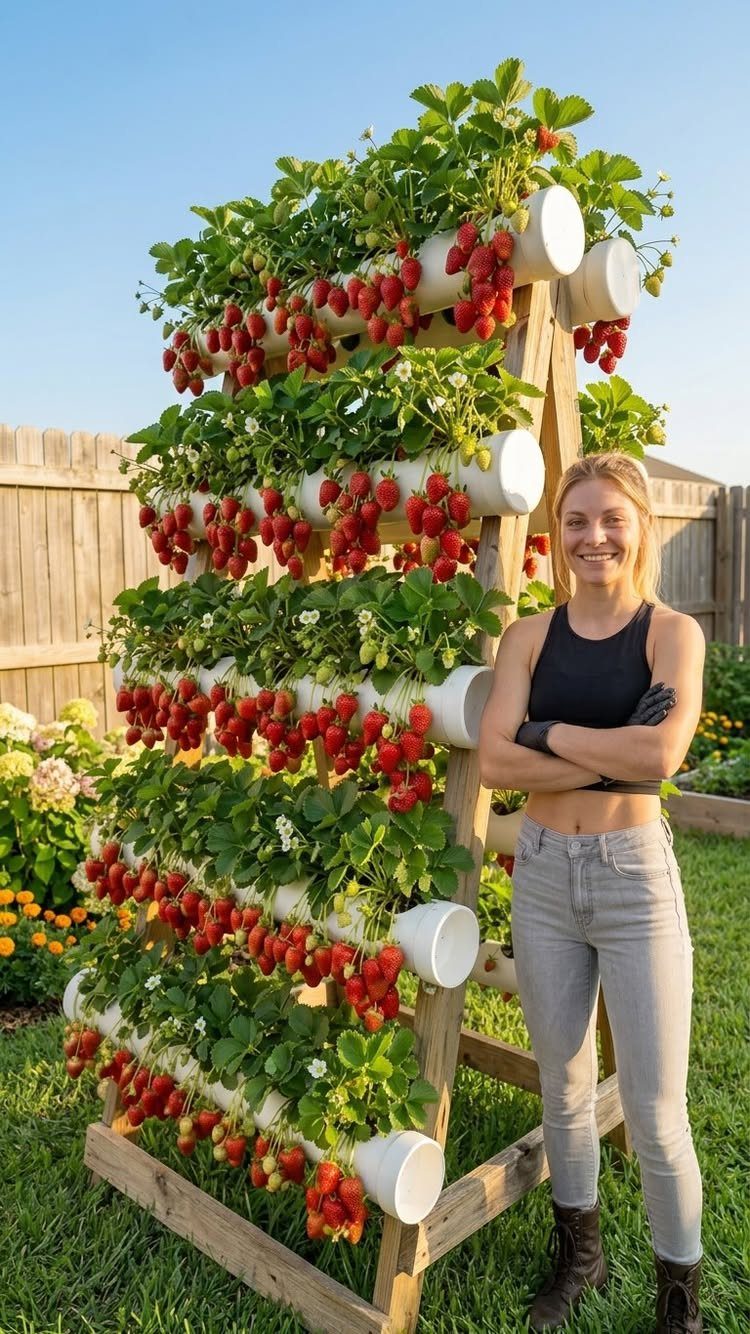
Small yards look fuller when plants climb. An A-frame built from PVC pipes keeps strawberries off the soil; the fruit hangs clean and picks easy.
A simple trellis against a fence handles morning glories or hops in one season. Wall planters at eye level need screws or wire into solid structure, not siding.
Clematis or climbing rose fills a trellis in a few years, not weeks.
I would start with annual vines for instant coverage if you are unsure you will stay. The investment version, a pergola or archway, pays off only if you plan to live with it.
Window boxes are the middle path: seasonal color, renter-friendly, moved with you.
5. Add Lighting for Ambiance and Safety
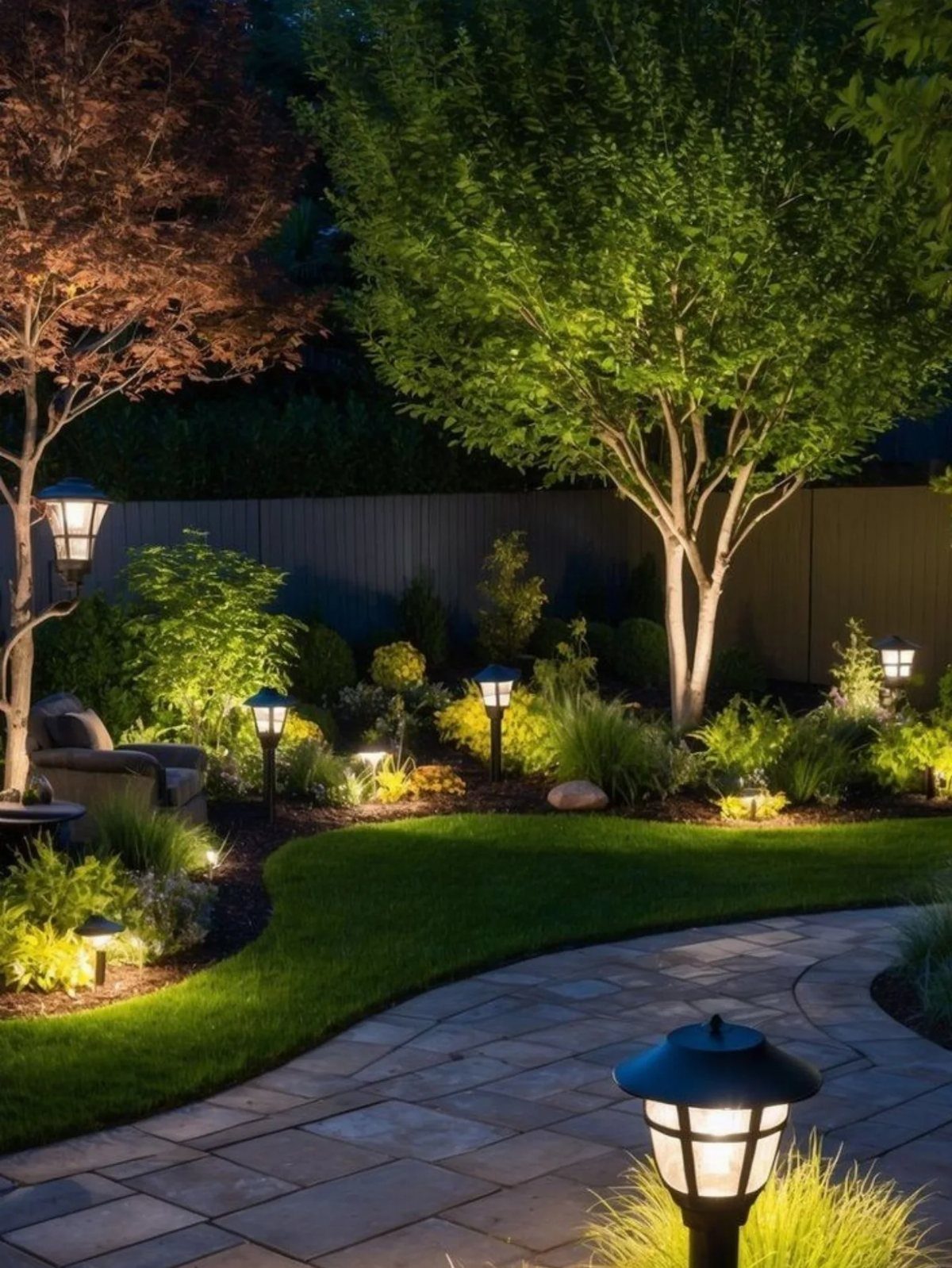
Dark paths and unlit steps are how guests trip. Solar LED lanterns along a walkway fix both problems with no wiring needed.
Uplighting a tree or ringing a focal point takes the yard from invisible to inviting after sunset. String lights on a pergola or arbor cost little and store in a shoebox come winter.
The cheap solar stakes fade fastest; spend a bit more for metal housings and replaceable batteries.
This is the idea I would add last, after the layout is settled. Light shows off what you have built, but it cannot rescue a yard that has nothing to show.
6. Raised Garden Beds
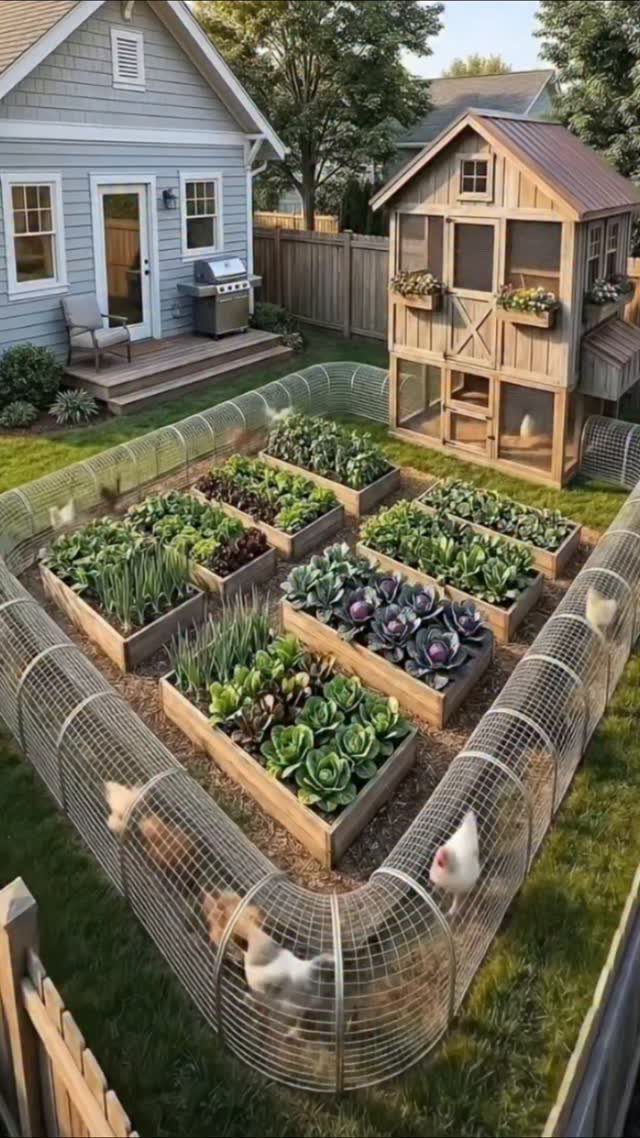
Raised beds warm faster in spring and drain better than ground-level soil, which matters more than I expected when I started growing vegetables.
I built mine from cedar 2x10s tall enough to handle tomatoes and root vegetables without bending down to weed. A wire run connecting beds to a coop keeps chickens moving between spaces without destroying planted rows.
Galvanized hardware cloth lasts longer than chicken wire against determined scratching.
Brick works too, though it costs more upfront and holds heat that can dry roots in July. Wood rots eventually; mine needed replacing after eight seasons.
Skip the pressure-treated lumber if you’re growing food. Cedar or hemlock costs more but the boards stay intact longer than pine, and you stop worrying about chemicals leaching into lettuce roots.
7. Built-in Hot Tub Deck
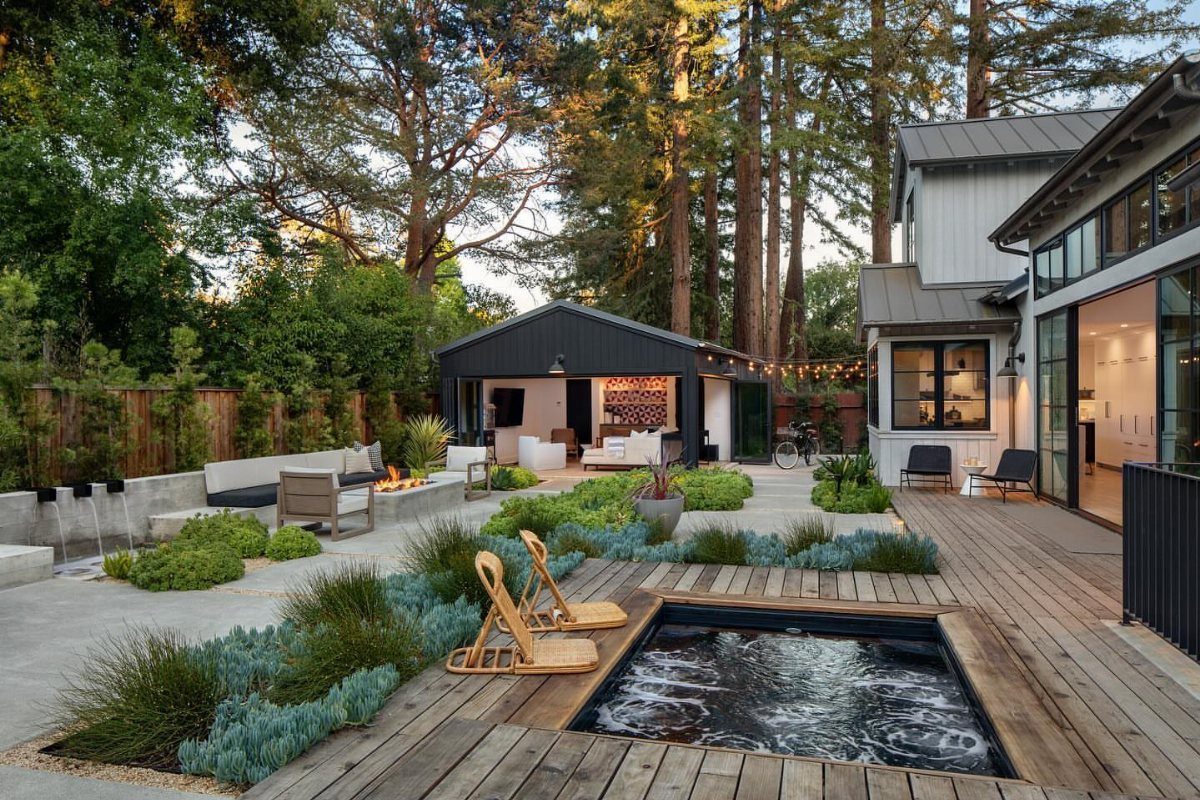
A hot tub set into the deck surface, not dropped on top of it, changes how the whole yard reads.
The difference is structural: the tub shell needs support from below, which means planning before the first board goes down. Retrofitting an existing deck for this almost never works; the load concentrates where standard framing isn’t built to take it.
If you’re starting fresh, the rim of the tub sits flush with decking so you step in like entering a pool, not climbing over a wall.
I looked at this for my own yard and stopped at the electrical. Most units need 220V close to the equipment, and a GFCI disconnect that adds serious cost before the tub itself.
Gas heaters cost less to run monthly than electric, but need venting that changes where you can place things.
Modern lines suit a yard with clean edges and not much ornament. A rustic tub with cedar siding would fight that look; pick your version before you pick your decking stain.
8. Outdoor Dining Deck
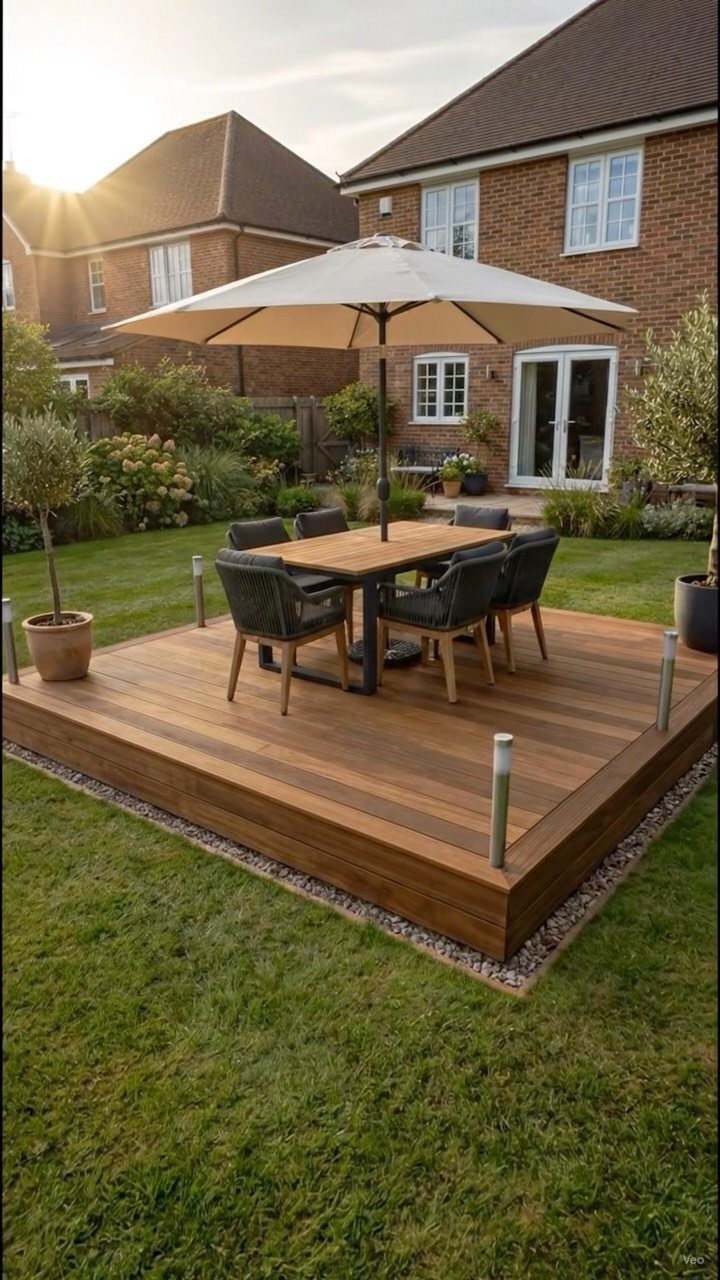
A deck dedicated to eating outdoors keeps the grill smoke away from where people sit, which sounds obvious until you’ve eaten burgers through haze at a single-purpose patio.
The gravel border and solar lights are the kind of small touches that keep the space usable past sunset without much added cost.
I’d spend there before upgrading the table itself; a modest set with good light feels more finished than an expensive set you can’t see after dark.
Raised decks need railings at seated height or higher in most codes, which blocks sight lines to the yard.
The low profile here avoids that; if your yard slopes, you might gain the elevated view without the rail requirement by building close to grade on the downhill side.
Umbrellas work until they don’t, which is about the third windy afternoon. A cantilevered model off the house eave costs more but stays put; so does a sail shade with proper anchor points.
9. Built-in Fire Pit Seating
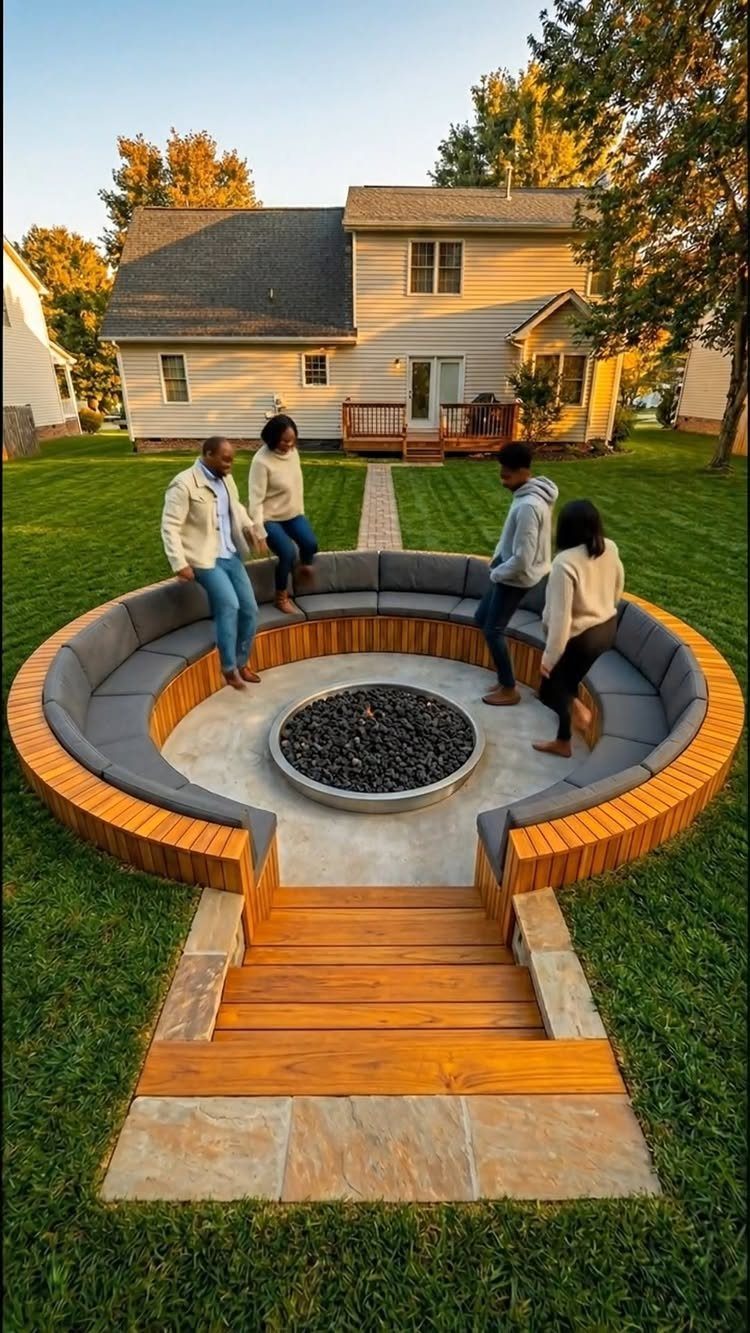
Sunken seating around a fire changes the conversation; people face each other at eye level instead of staring at someone’s knees across a raised rim.
A circle shape wastes some space compared to a rectangle, but no seat ends up far from the flames. I’d build the bench wide enough for comfort; anything too narrow and guests end up perched on the edge.
The backrest angle matters too: a slight tilt off vertical is enough to relax against without feeling like you’re reclining at dinner.
Drainage is the hidden problem. That concrete bowl collects water; without a sump or weep holes, you’ll be pumping out after every rain.
In wet climates, ‘occasional’ use of a fire pit often means weekly through the cold months, so build for that frequency.
Wood near fire needs distance. Stone or concrete bases with wood above work because direct contact between burning logs and cedar bench ends in scorch marks the first night.
10. Garden Footbridge Over Water
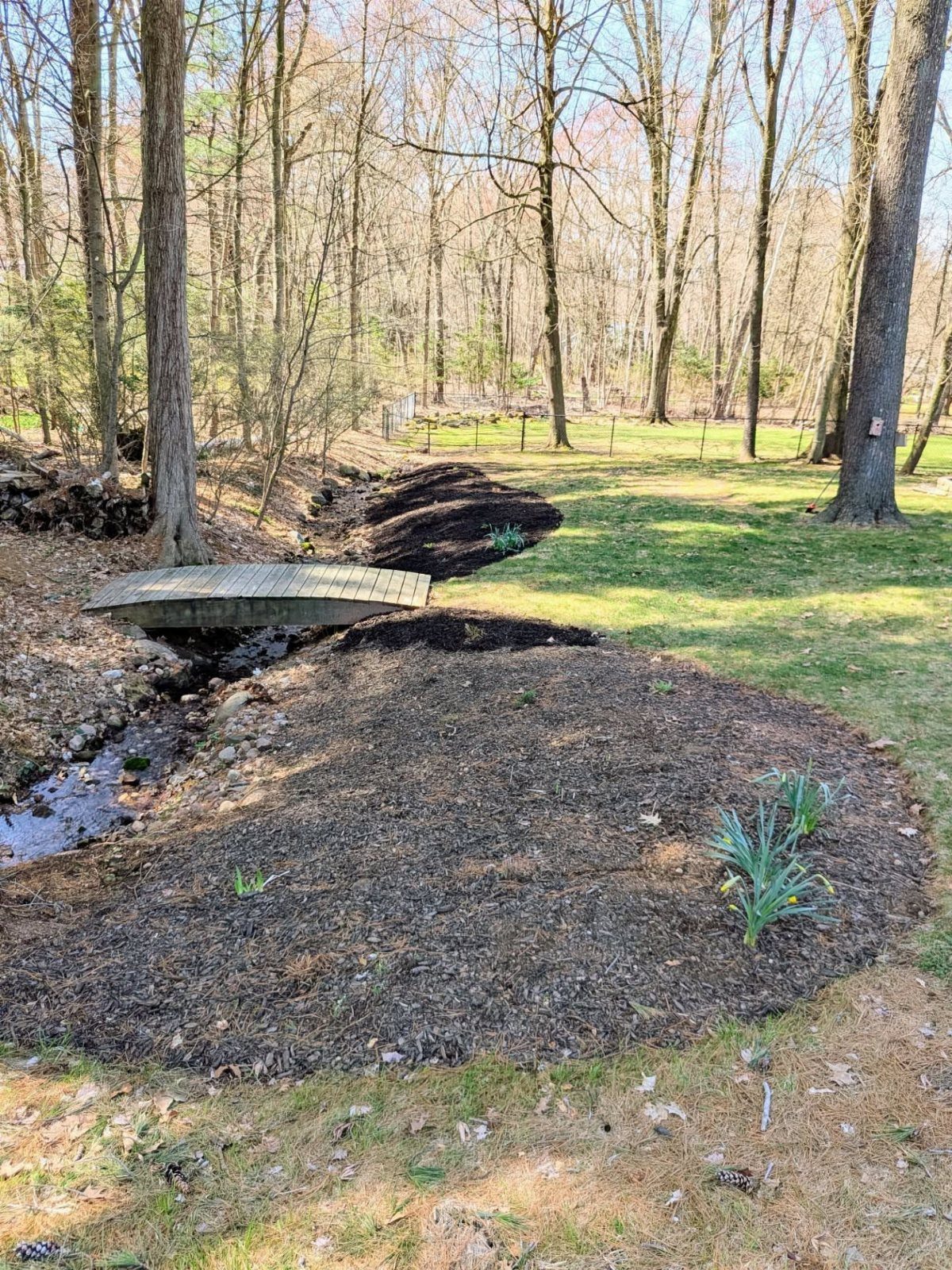
A footbridge over moving water reads as luxury because it is; the stream comes first, the bridge just admits you can cross it.
An arched shape clears spring flood levels that would submerge a flat span.
I’d check local flood history before copying that curve; a low arch looks wrong over water that never rises, and inadequate over water that regularly surges to the railings.
The rocks below aren’t decorative; they slow erosion where the current hits the bank, and you’ll be resetting them every few years as they shift.
Pressure-treated lumber holds up to wet feet but turns greenish in the grain; cedar grays out to that silvery look within a couple of seasons. Either needs sealing on the cut ends where water wicks upward fastest.
If your yard has no stream, this isn’t an idea to force. A dry creek bed with a bridge reads as costume, not place.
11. Curved Garden Beds with Edging
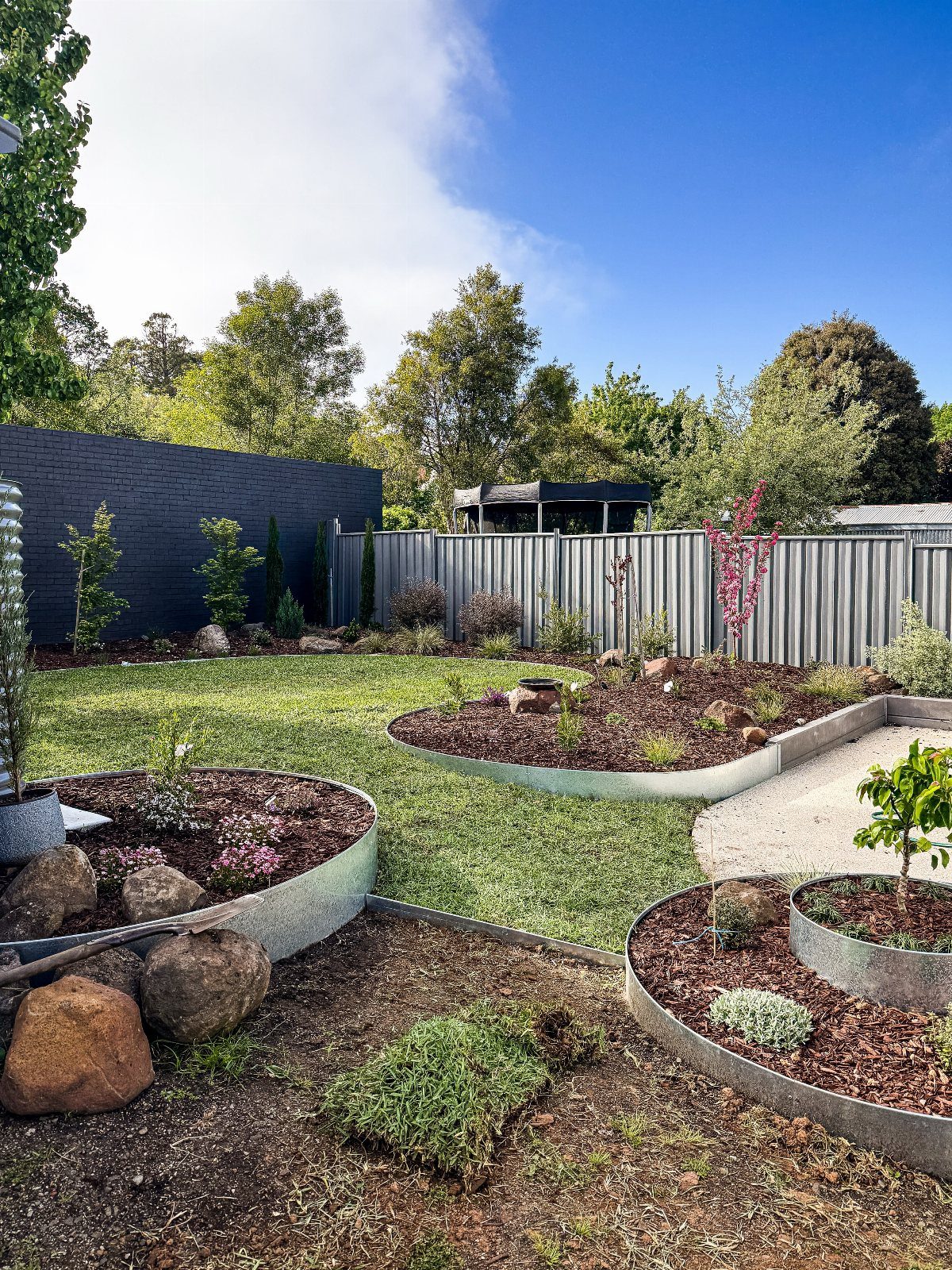
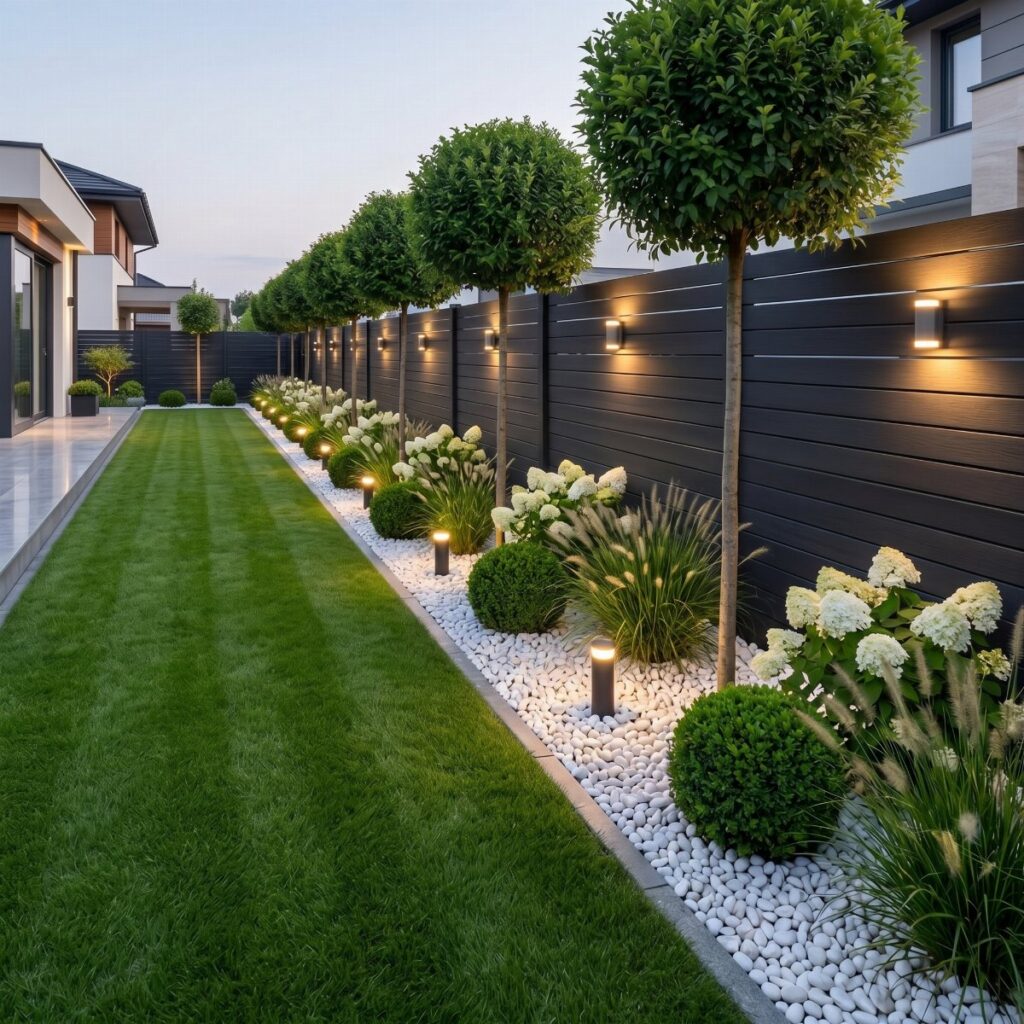
Curved beds soften the line where lawn meets planting, and metal edging keeps that curve crisp without the wobble that timber develops after a wet season.
Galvanized steel lasts a good long while in my climate; aluminum costs more but doesn’t rust at the cut edges where steel eventually fails.
Both go in with stakes at intervals, which means measuring the curve before you buy; a gentle arc needs fewer stakes than a tight one, and running short mid-install is how you get the flat spots that ruin the effect.
Dark mulch against green lawn is a contrast trick that works in year one and fades as the mulch bleaches to gray.
I’d refresh every other spring, or switch to bark nuggets that hold color longer but need deeper fill to block weeds.
Large rocks as accents: one or two, placed while the edging goes in, not after. Moving stone across established plantings leaves tracks that show all season.
Frequently Asked Questions
What is the cheapest way to do backyard?
Shrink the lawn and swap in low-maintenance groundcover, which cuts mowing and fertilizer costs. Small plants cost less up front and fill in over a season or two.
Scavenged bricks, rocks, or old containers become edging and planters with no store trip needed.
How can I make my backyard look nice?
Give the eye one strong focal point, like a large urn or an oversized pot, instead of scattering small pieces that compete.
A curved path in gravel or flagstone makes the space feel larger than it is, and solar lanterns along the way keep it inviting after dark.
What are some new backyard ideas for 2026?
L-shaped raised beds and potted plants keep growing space flexible and movable, which suits renters or anyone testing a layout.
If a pool fence is no longer required for your situation, removing it opens sightlines and room for loungers or benches against the remaining wall.