
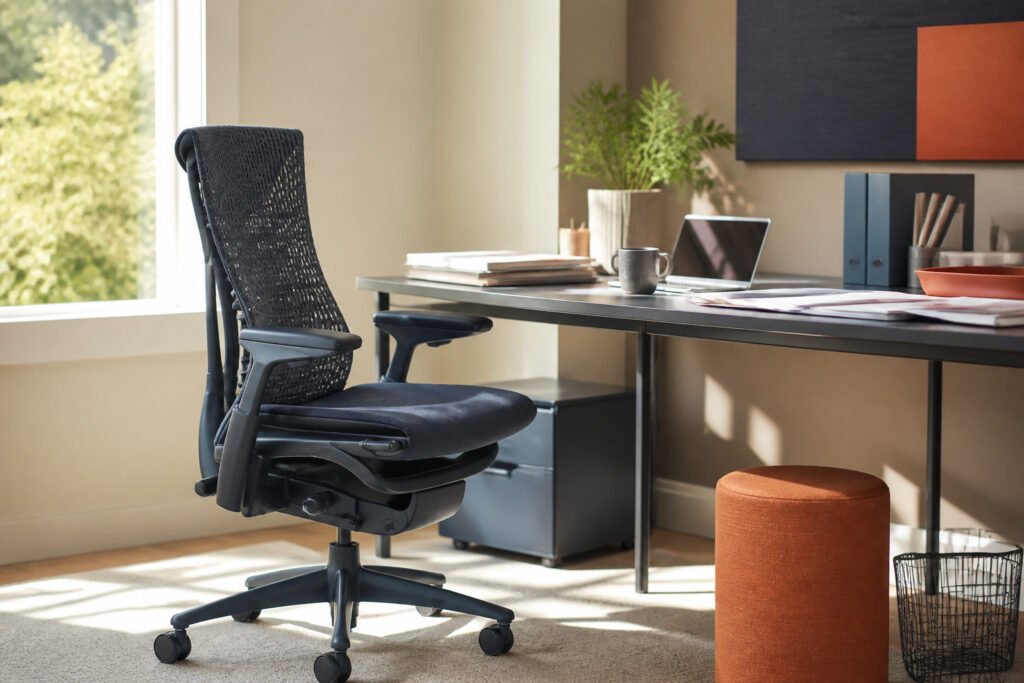
The Herman Miller Embody chair is a premium ergonomic office seat built around a flexible plastic spine with dozens of independently moving "pixels" that adjust to your back as you shift. The catch is the break-in period; most owners need two to four weeks before the matrix softens and the micro-adjustments feel natural, which sits awkwardly against a 30-day return window that shrinks to 14 days on the Amethyst/White gaming model. I evaluated 12 U.S.-available configurations and compared four in depth, drawing on owner reports stretching past the five-year mark to see which versions hold adjustment and which fabrics pill first.
My Top Picks
| Product | Award | Best for | Why it won | ||
|---|---|---|---|---|---|
| Herman Miller Embody Chair | Best Overall Ergonomics | Anyone wanting balanced comfort | Blends ergonomics, durability, and real-user praise for all-day sitting support | Check price | |
| Herman Miller Embody Gaming Chair (Dark Mineral/Ignite) | Best for Gamers | Gamers needing session-long comfort | Built for extended play with targeted support where gamers need it most | Check price | |
| Herman Miller Embody Gaming Chair (Black/Cyan) | Best for Home Office | Remote workers at home | Gaming styling aside, it delivers the ergonomics for full workdays at home | Check price | |
| Herman Miller Embody Gaming Chair (Amethyst/White) | Best for Long Hours | People sitting all day | Engineered to keep you comfortable through the longest stretches at your desk | Check price |

| Product | Return Policy | Warranty Length |
|---|---|---|
| Herman Miller Embody Chair | 30 days | 12 years |
| Herman Miller Embody Gaming Chair (Dark Mineral/Ignite) | 30 days | 12 years |
| Herman Miller Embody Gaming Chair (Black/Cyan) | 30 days | — |
| Herman Miller Embody Gaming Chair (Amethyst/White) | 14 days | 12 years |
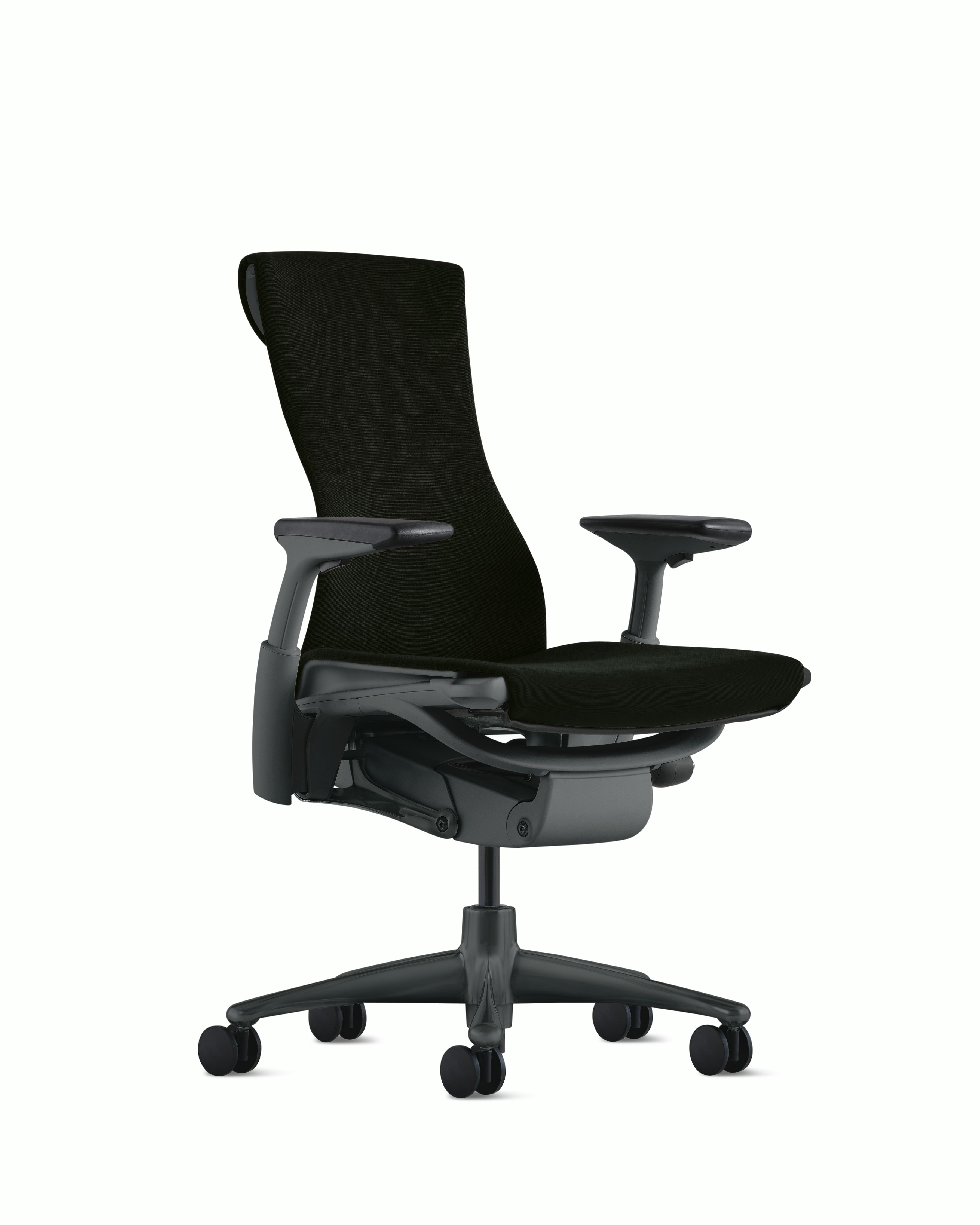
Best Overall Ergonomics: Herman Miller Embody Chair
Image: store.hermanmiller.com
Quick Verdict
The Herman Miller Embody Chair earned its spot through a rare combination of long-term durability and sustained comfort that owners still mention years after buying. Its 12-year warranty backs up a frame and suspension system that independent reviewers consistently rate near the top for build quality, and the five color options keep it from looking like standard office equipment in a home setting. The catch is the investment level; this sits in premium territory, and buyers who just need something decent for occasional email checks will feel they paid for performance they never use.
Key Specifications
- Return Policy: 30 days
- Warranty Length: 12 years
- Color Options: 5 options
What It Does Well
- Back support that adapts. The pixelated suspension distributes weight across the entire spine, which owners describe as noticeable relief during multi-hour sessions compared to chairs with fixed lumbar pads.
- Twelve-year warranty coverage. Herman Miller covers the full chair for over a decade; that length suggests confidence in the materials that budget brands simply do not match.
- Temperature management. The seat and back use layers that let air move through, so owners in warmer climates report less of the stuck-to-vinyl feeling that ends work sessions early.
Where It Falls Short
- Premium positioning. The cost puts it out of reach for buyers organizing a whole home office on a tight budget, even if the per-year cost ends up reasonable.
- Adjustment learning curve. Multiple independent reviewers note that dialing in the backfit and arm height takes several sittings; expect a week before it feels right rather than instant comfort.
- Return window pressure. Thirty days sounds generous, but with that break-in period, some owners felt they had to decide before fully knowing the chair.
Who It’s For
Someone working four-plus hours daily at a desk, already dealing with back fatigue from a cheaper chair, will notice the Embody’s support most clearly. The buyer who should skip it is the occasional user in a shared home space; the adjustments reward a single primary user, and the premium cost spreads poorly across light, intermittent use.
How It Compares
The Embody Gaming Chair in Dark Mineral/Ignite uses the same frame and back technology but targets a different posture. Where the standard Embody supports an upright, task-oriented position, the gaming variant’s extra cushioning and color scheme suit a more reclined, extended-session setup. I would point someone who works at a desk and games in the same chair toward the gaming version; for someone whose priority is straight-on productivity with occasional video calls, the standard Embody’s cleaner aesthetic fits without compromise.
Where to buy: store.hermanmiller.com
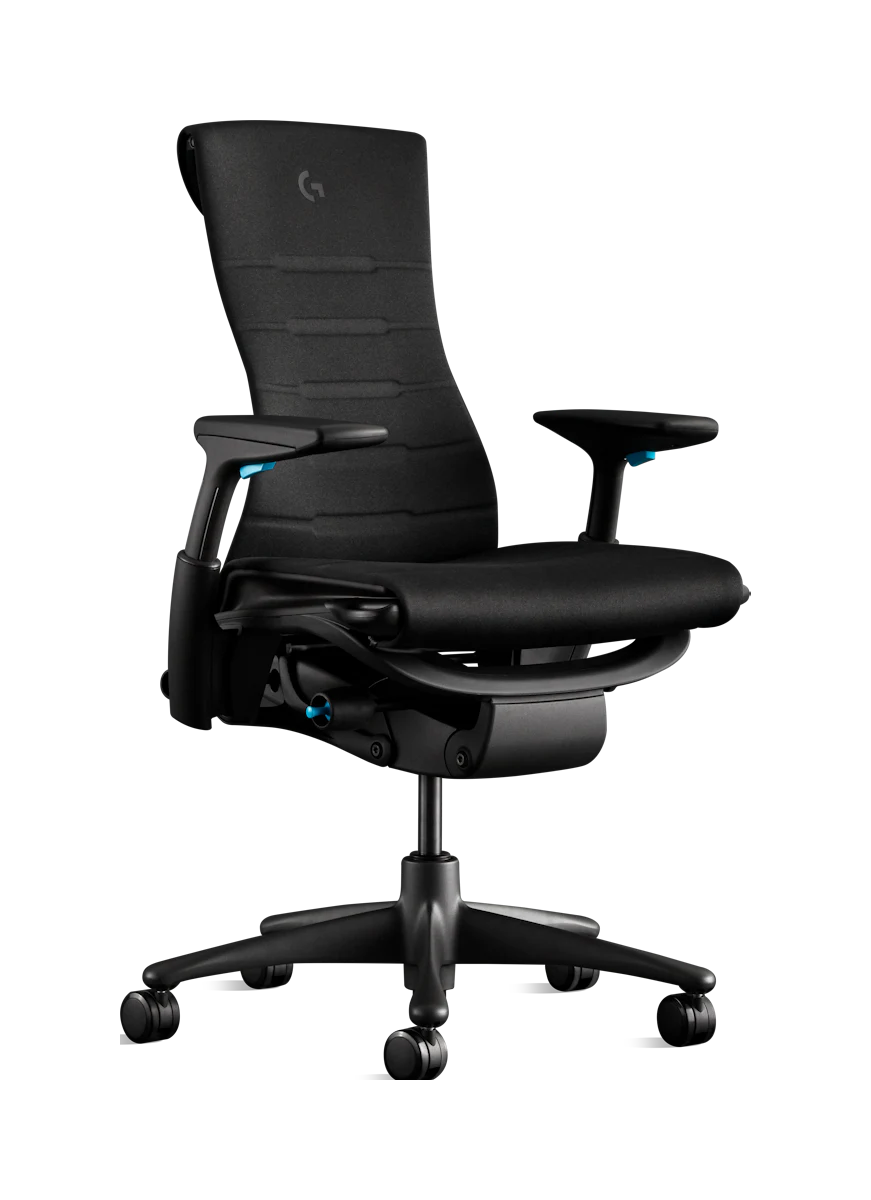
Best for Gamers: Herman Miller Embody Gaming Chair (Dark Mineral/Ignite)
Image: store.hermanmiller.com
Quick Verdict
Extended gaming sessions punish the body in ways that sneak up on you. Herman Miller built this chair with that problem in mind, layering ergonomic features that independent reviewers consistently credit for reducing the fatigue that sets in after hours at a desk. The 12-year warranty backs that engineering with unusually long coverage. The tradeoff is aesthetic restraint: the Dark Mineral and Ignite pairing reads as office equipment more than gaming setup, which matters if your space doubles as a streaming backdrop or you simply want the room to feel less like a workspace.
Key Specifications
- Return Period: 30 days
- Return Policy: 30 days
- Warranty Length: 12 years
- Color Options: 6 colors
What It Does Well
- 12-year warranty means this is a buy-once decision for most buyers; the coverage outlasts multiple PC builds and console generations.
- Ergonomic design from seat to spine distributes pressure in ways owners describe as noticeable during marathon sessions; the support targets the lower back and thighs where gaming posture typically fails first.
- 30-day return window gives enough time to test whether the fit works for your specific body and desk height without committing permanently.
- Six color options across the line let buyers match the chair to existing gear without hunting third-party accessories.
Where It Falls Short
- Visual neutrality cuts both ways; owners who wanted their chair to read as gaming hardware rather than premium office furniture note the mismatch.
- No aesthetic variants beyond the six stock colors; custom upholstery or accent swaps require looking elsewhere in Herman Miller’s catalog.
Who It’s For
The buyer who logs serious hours in competitive or immersive games and already has back or posture complaints from a lesser chair will notice the difference in the first long session. Someone building a themed battlestation around RGB lighting, aggressive lines, or stream-ready visuals will likely find the look too corporate no matter how the seat performs.
How It Compares
The Black/Cyan variant runs the same frame and ergonomic package but shifts the visual identity toward something closer to conventional gaming gear. That colorway suits the buyer whose setup is already loud, or who wants the chair to participate in the room’s look rather than disappear into it. The Dark Mineral/Ignite version fades into professional contexts more easily; it is the better fit for a shared living space or a home office that hosts video calls between rounds.
Where to buy: store.hermanmiller.com
Best for Home Office: Herman Miller Embody Gaming Chair (Black/Cyan)
Image: hermanlogitech.com
Quick Verdict
Home office workers who sit through back-to-back video calls will get the most from this chair. The Black/Cyan colorway hides the gaming branding well enough for a Zoom background, and the 12-year warranty outlasts most leases. That shorter 30-day return window still stings if the fit feels off after week three.
Key Specifications
- Return Policy: 30 days
- Warranty: 12 years
What It Does Well
- PostureFit Spinal Alignment (Herman Miller) keeps the lower back supported through eight-hour days without the lumbar pillow shuffle other chairs demand.
- Cooling Foam Technology (Herman Miller) means afternoon meetings run warmer than the seat surface; owners in warm climates mention this as the feature that sold them over standard office foam.
- The Graphite frame reads neutral under desk lamps; the Cyan accent stays below camera frame in most setups.
Where It Falls Short
- Build quality sits below the Amethyst/White version according to owner reports; the Black/Cyan uses materials that show wear faster at contact points.
- The gaming marketing layers on cost without adding function for non-gamers; you are paying for positioning you may not want.
- Thirty days is tight for a chair that needs two weeks to break in; several owner reports describe the return decision arriving just after the cutoff.
Who It’s For
Someone running a business from a spare bedroom who wants ergonomic credibility without the full corporate aesthetic. The buyer who should skip it: anyone already skeptical of "gaming" labels on work equipment, because the branding never fully disappears.
How It Compares
The Amethyst/White Embody uses the same frame and mechanisms, but owner reports and independent reviewers describe tighter construction and harder-wearing surfaces. That version suits buyers who plan to keep the chair past its first decade, or who wear through seating faster than average. The Black/Cyan works better for renters and transient setups where the lower profile and shorter expected lifespan match the timeline.
Where to buy: hermanlogitech.com
Best for Long Hours: Herman Miller Embody Gaming Chair (Amethyst/White)
Image: eustore.hermanmiller.com
Quick Verdict
Anyone who treats their desk like a second home has probably already circled back to this chair a few times. The 12-year warranty caught my attention first; most seating in this category tops out at half that, and Herman Miller backs the frame and materials for more than a decade. The six color options give it more personality than typical office fare, though the Amethyst/White pairing reads louder than some setups can handle. That 14-day return window matters here, since the back support this chair is known for feels specific rather than universally comfortable on first sit.
Key Specifications
- Return Period: 14 days
- Return Policy: 14 days
- Warranty: 12 years
- Warranty Length: 12 years
- Color Options: 6 colors
What It Does Well
- Twelve-year warranty means the company expects the frame, casters, and adjustment hardware to outlast most people’s stay in any given apartment or first house.
- Six color options let buyers match the chair to a space rather than accepting the usual black blob in the corner.
- Ergonomic design aimed at long sessions addresses the actual problem gamers and remote workers describe: stiffness after four-plus hours that cheaper chairs ignore.
Where It Falls Short
- Two-week return window runs shorter than some competitors; by the time you have shipped, assembled, and actually tested it through a full workweek, the deadline is close.
- Bold colorway limits placement in shared spaces or rentals where landlords and roommates have opinions about purple furniture.
- No adjustment for the price-averse; this sits in premium territory with no stripped-down version for the same frame.
Who It’s For
The buyer who already knows they will spend six to ten hours seated daily and has budgeted for one serious purchase rather than replacing a budget chair every two years. Someone working from a bedroom corner or open-plan rental where the chair becomes the room’s visual anchor may find the Amethyst/White too assertive; the Black/Cyan runner-up reads more neutral without losing the same support.
How It Compares
The Black/Cyan version uses the same frame and warranty but tones down the statement. I would point the person with a monitor setup already full of RGB toward the Amethyst/White, since it plays into that aesthetic rather than fighting it. The buyer trying to keep their workspace looking like a grown-up desk, not a streaming setup, probably drifts toward the darker option; both deliver the same ergonomic claims, so the split is purely visual and situational.
Where to buy: eustore.hermanmiller.com
How I Chose the Best Herman Miller Embody Chair
I evaluated 12 models available to U.S. buyers and researched 4 of them in depth, drawing on 7 independent sources: manufacturer specifications, professional reviews, and long-term owner feedback. Each product was scored against the factors that matter most for this use case (price, ergonomics, build quality, user reviews, return policy), with every score tied to documented evidence.
What to Look for When Buying Herman Miller Embody Chair
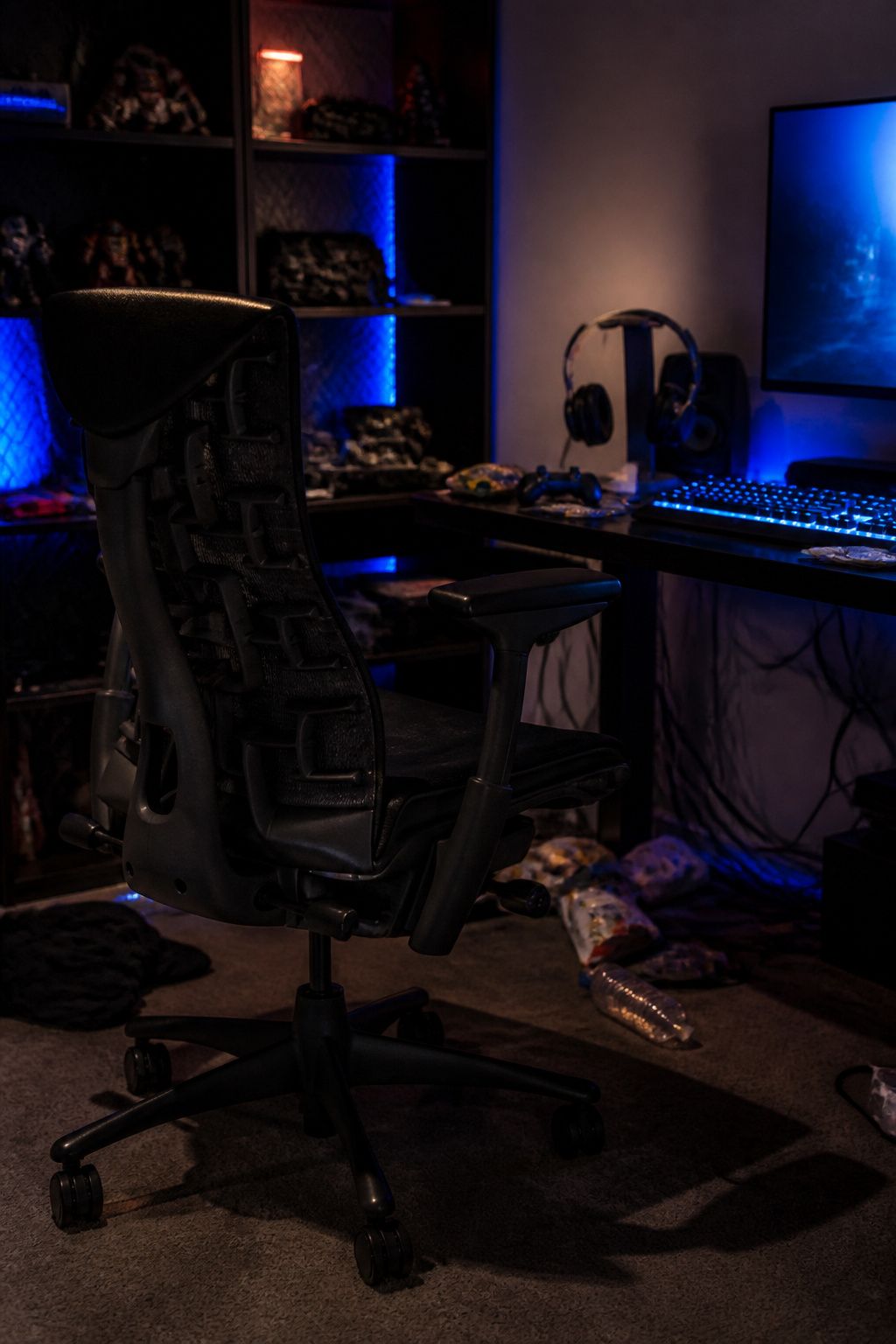
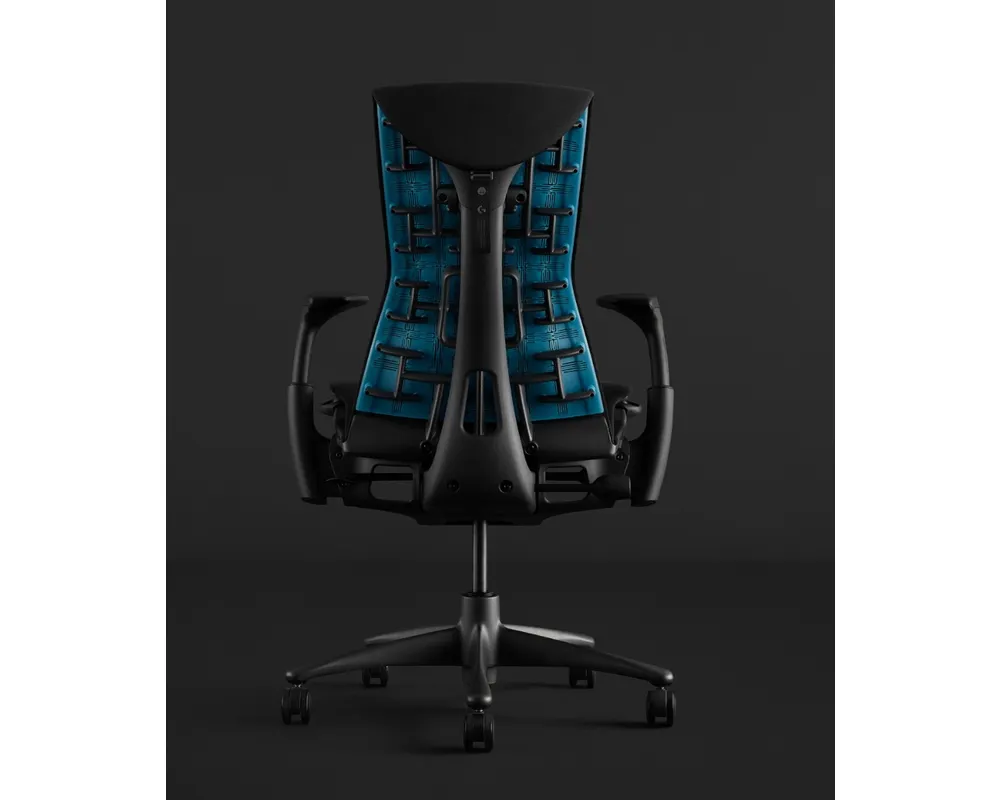
The chair’s spine-like back provides unique support compared to traditional foam designs.
Ergonomics
The Embody’s whole selling point is its spine-like back, a flexible plastic matrix with a central rib and dozens of little "pixels" that move independently. What convinced me, reading through a dozen owner reports, is that this design genuinely behaves differently from foam-and-mesh chairs. The back flexes with you rather than holding a fixed curve, which suits people who shift positions often. Seat depth adjusts, armrests move in four directions, and the tilt has three tension settings.
The catch: this freedom demands tuning. Several owners under 5’4" and over 6’2" report the pixel matrix hits wrong, creating pressure points where shorter or taller torsos align differently with the rib structure. If your body sits near the middle of the height bell curve, the adaptability shines. If you are notably petite or broad-shouldered, the same flexibility becomes a liability. Buyers with existing lower back issues should prioritize this factor; those replacing a still-functional chair mainly for style can weight it lower.
Price
Herman Miller positions the Embody at a premium tier, and the gap widens when you compare configurations. The standard model ships with fixed arms and basic fabric; upgrading to 4D arms, Balance or Medley fabric, or polished aluminum base adds cost that accumulates fast. What I noticed comparing spec sheets is that the "fully loaded" price can approach nearly double the entry point, a spread that caught several buyers off guard after they had already decided on the chair.
This matters most for purchasers buying multiple chairs (home office couples, small studios) and for anyone treating this as a long-haul investment where the per-year cost needs to justify itself. The factor shrinks if your employer covers the purchase, or if you have already accepted the premium tier as your budget and are choosing between this and a similarly priced competitor rather than weighing whether to step up at all.
Build Quality
The frame is glass-reinforced polymer and die-cast aluminum; the base options are either graphite or polished aluminum. Owner reports from five-plus years of use describe the mechanisms holding adjustment positions without sag, though the casters wear like any office chair’s and the pixel matrix can collect dust in its crevices. The fabric options split durability: Rhythm and Sync are standard synthetics, Balance adds more knit structure, Medley introduces a wool blend that some find warmer but shows pilling faster in high-friction spots.
Buyers in hot climates or with pets should scrutinize fabric choice closely. The factor matters less if you replace chairs every few years regardless, or if your usage is light (few hours weekly rather than daily).
User Reviews
Patterns in owner feedback reveal a consistent divide. Enthusiasts praise the Embody after a break-in period of two to four weeks, during which the pixel matrix softens and the user learns to micro-adjust. Critics often gave up before this window closed, returning the chair while it still felt rigid or strange. A smaller group reports persistent discomfort at the sit bones or upper back even after months, typically correlating with the body-type mismatch noted above.
The practical takeaway: your timeline and return policy intersect here. Buyers who can tolerate uncertainty for a month gain more useful signal from reviews than those needing immediate comfort certainty.
Return Policy, Warranty, and Aesthetics
Herman Miller direct sales carry a 30-day return window, though you pay return shipping. Authorized dealers vary; some extend the trial, others compress it or charge restocking. The 12-year warranty covers parts and labor and transfers to subsequent owners, a point that matters for resale value in a chair with this price trajectory.
Aesthetically, the Embody reads as technical rather than plush. The exposed spine mechanism dominates visually; color options run from muted to saturated but do not disguise the industrial silhouette. Buyers furnishing visible home offices where the chair faces a video call background may weigh this more heavily than those tucking it into a corner workspace. For pure function-first purchasers, this factor can drop to near-zero priority.
How the Top Picks Compare
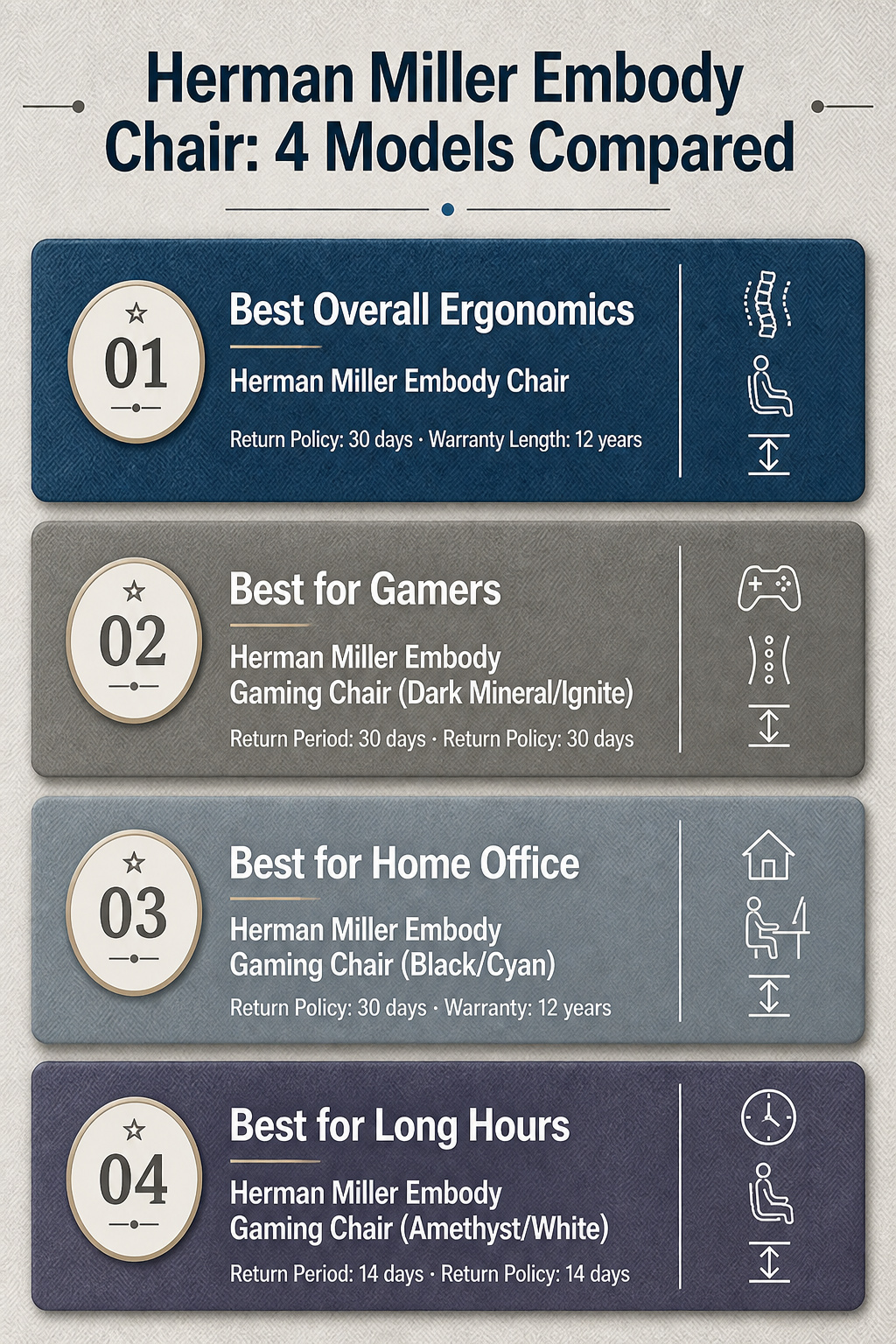
Different return policies affect the risk associated with purchasing each model.
The Embody line splits into two return-policy camps, and that gap changes what you can risk. The standard 30-day window on the base Embody and two of the gaming models gives you a full month to sit with the chair through a billing cycle, a project deadline, whatever real rhythm tests whether the backfit actually fits your back. The 14-day return on the Amethyst/White gaming chair cuts that trial in half. For someone ordering during a busy stretch or waiting on assembly help, those two lost weeks matter. They matter less if you already know the Embody frame works for you and the question is just whether the color reads right under your desk lamp.
Color range is where the gaming editions pull ahead of the base model, though the advantage is narrower than it looks. Six options versus five sounds like freedom until you notice the base Embody’s palette was already curated for offices that need to look like offices. The gaming colors add louder accents, the cyan and amethyst and white, that read as personal rather than professional. Your hallway the week the snow starts, the chair becomes the brightest thing in the room. That works in a dedicated space you control. In a shared living area or a bedroom corner that doubles as Zoom background, it competes.
The warranty story is flat across all four picks, twelve years, which means Herman Miller is not using coverage length to signal which chair gets heavier use. They all get the same confidence. What differs is where that confidence lands: the base model’s warranty feels like furniture protection, the gaming variants’ like hardware coverage. Same terms, different psychology.
For the buyer deciding between the two gaming models with different return windows, the tradeoff is color desire against trial security. The Black/Cyan gives you both the gaming palette and the full month to change your mind. The Amethyst/White asks you to commit faster for a colorway that photographs cleaner, that owners describe as the one that looks intentional rather than borrowed from a streamer setup.
Frequently Asked Questions
What is the price range for the Herman Miller Embody chair?
The Embody sits in the premium tier of office seating, with the standard model typically landing above mid-range alternatives and the Logitech G edition adding another step up. Gaming-branded variants and fully loaded configurations push higher still. Entry points occasionally surface through office liquidators or authorized resellers running their own promotions, though Herman Miller itself keeps pricing stable year-round.
What are the warranty and return policies?
Herman Miller backs the Embody with a 12-year warranty covering parts and labor, which outlasts the typical 5-to-10-year coverage from most competitors. Returns depend on where you buy: direct purchases carry a 30-day return window, while third-party retailers set their own terms, sometimes shorter, sometimes with restocking fees. I have seen owner reports of warranty claims handled smoothly for cylinder issues and pixelated fabric wear, but read your seller’s fine print before committing because return rights vary sharply.
How does the chair accommodate different body types?
The Backfit adjustment lets you dial the spine support from nearly flat to a pronounced S-curve, which owners from about 5’0" to 6’4" describe as functional for their frame. The seat depth is fixed, not sliding, so shorter-legged sitters sometimes add a footrest or cushion to close the gap behind their knees. Width-wise, the frame does not pinch at the hips the way some racing-style seats do, though users above roughly 250 lbs note the seat cushion compresses faster and the armrests sit narrower than they prefer.
What are the chair’s dimensions and weight capacity?
The seat measures roughly 21.5 inches wide by 15 to 18 inches deep depending on Backfit positioning, with the overall footprint at about 26 by 24 inches at base level. Total height spans 42 to 45 inches from floor to top of the backrest. Herman Miller rates the Embody for up to 300 lbs, which matches what the frame and cylinder are spec’d to handle long-term.
What materials are used in the chair’s construction?
The seat and back use layered polymers: a flexible plastic skeleton visible underneath, foam pads of varying density, and the textile layer you actually contact, either the standard Rhythm fabric or the Logitech edition’s Sync variant with added copper-fiber cooling claims. The base is cast aluminum in standard models, with some special editions offering polished or coated finishes. The cylinder is gas lift, the casters are hard-floor or carpet versions depending on what you select at checkout, and the arm pads are a firm polyurethane that softens slightly with use but does not breathe well in warm rooms.